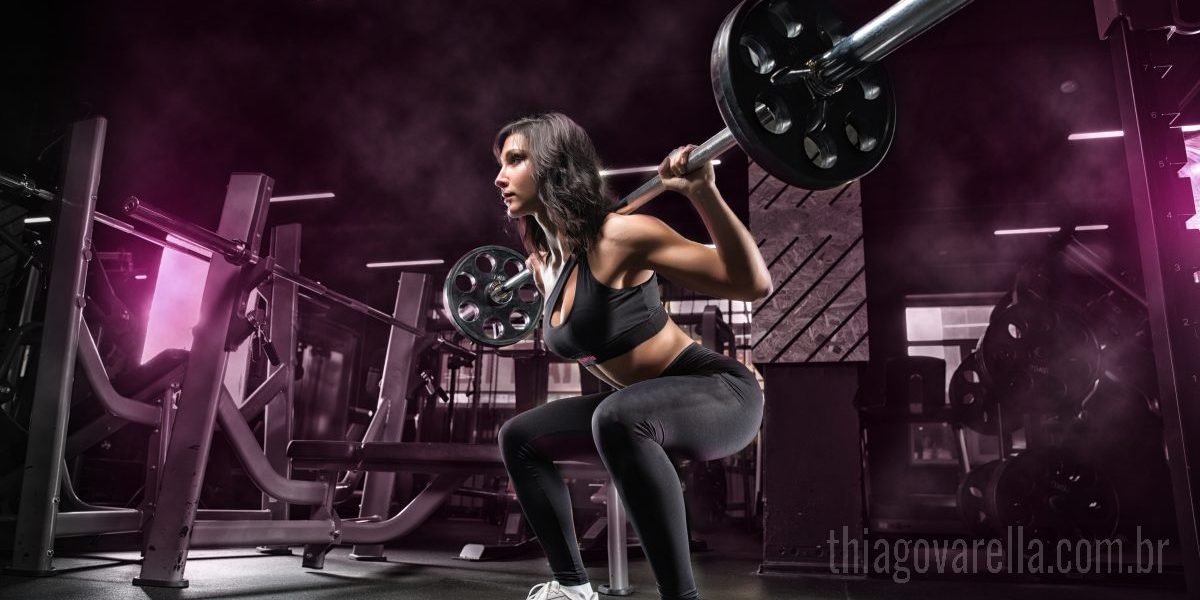
A properly performed squat strengthens the muscles in your legs, glutes, and lower back, while also improving upper-body mobility and flexibility.
However, when proper technique is not followed while performing a squat, there is a risk of dangerously straining ligaments and joints, which inevitably increases the chances of getting injured.
Learning how to squat is just as important, if not more important, than doing squats, so here are the secrets you should keep in mind.
Do you know how to squat correctly? If you don’t, check out our tips now.
Benefits of squats
1. Squats strengthen the lower body and core muscles
The exercise mainly works the lower body, specifically the quadriceps and glutes.
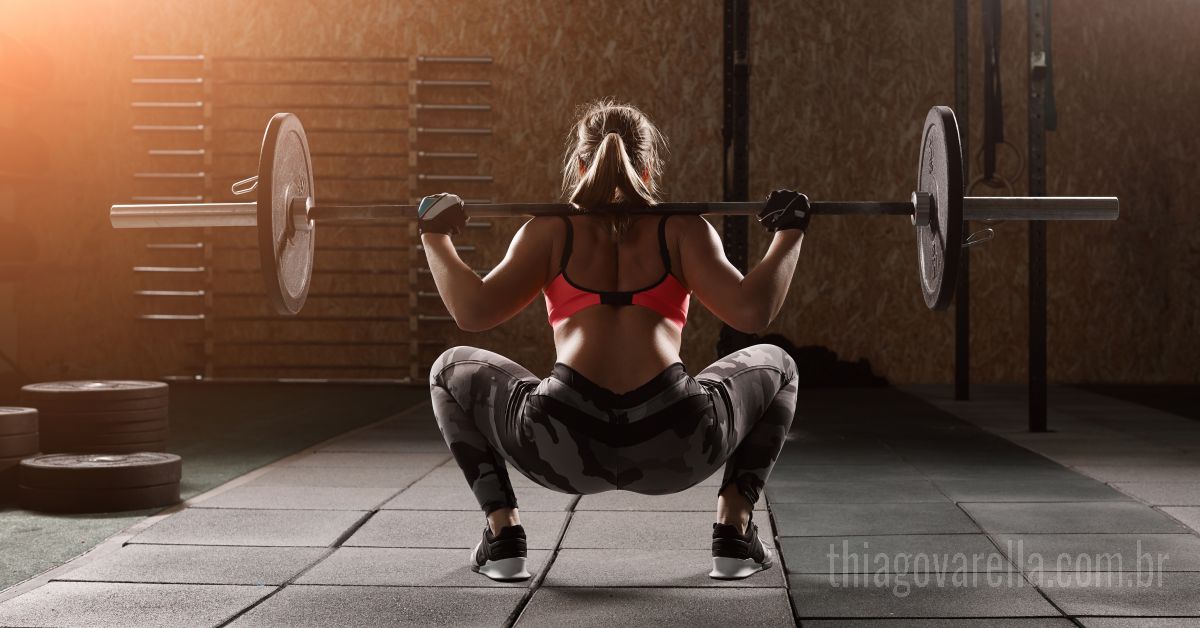 The position of the knees in particular helps effectively activate these muscle groups.
In addition to being great for developing the muscles in your legs and glutes, squats also strengthen your core, a group of muscles that helps maintain posture and body awareness.
Have you heard of the core? Core means center; it is the center of our body, an area that connects the upper and lower body and fully supports the spine. It consists of the upper abdominals, the obliques (sides), and the deeper muscles, known as the transverse abdominis, which surrounds the torso and pelvis.
2. Squats burn more calories
Since the exercise works many muscle groups at the same time, it causes your body to increase its production of anabolic hormones.
These are the hormones that help you lose fat and build muscle.
The study found that, when performed at similar intensities, squats engage more muscles and produce a greater hormonal and physiological response, particularly greater muscle activation, than the leg press.
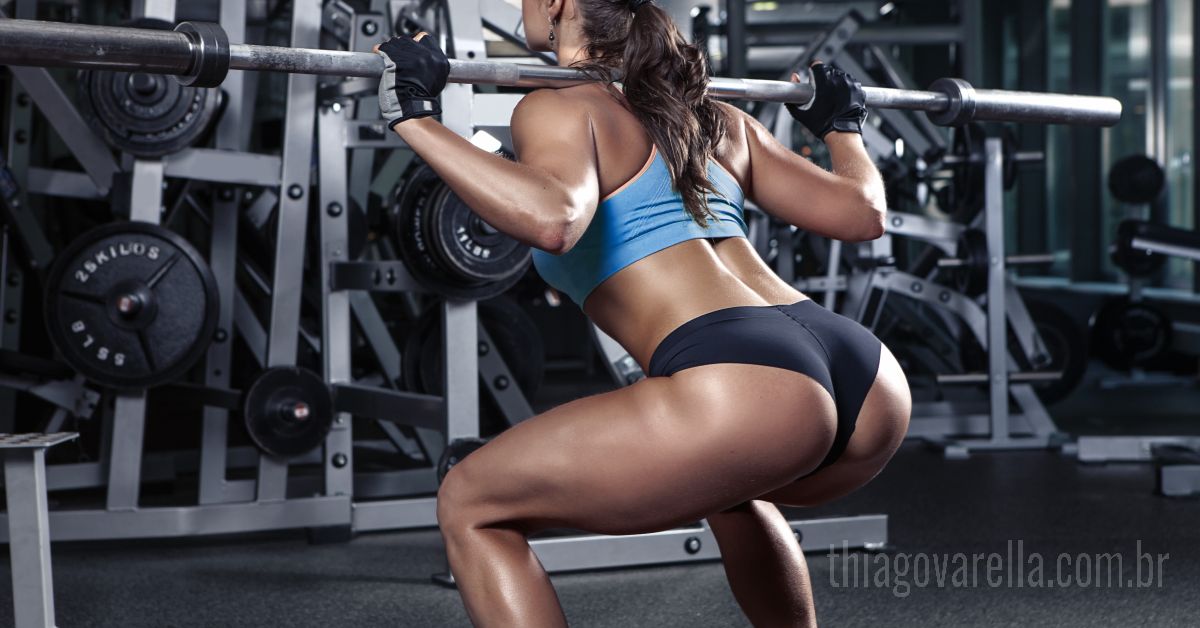 As a strength-training movement, the squat can be an important part of any weight-loss plan.
Regular strength training helps boost your metabolism and can reduce body fat.
3. Squats can reduce the risk of injury
In addition to being an effective exercise, squatting regularly can also help reduce the risk of knee and ankle injuries.
The movement strengthens the tendons, bones, and ligaments around the leg muscles and, in particular, can help relieve some of the load on the knees and ankles.
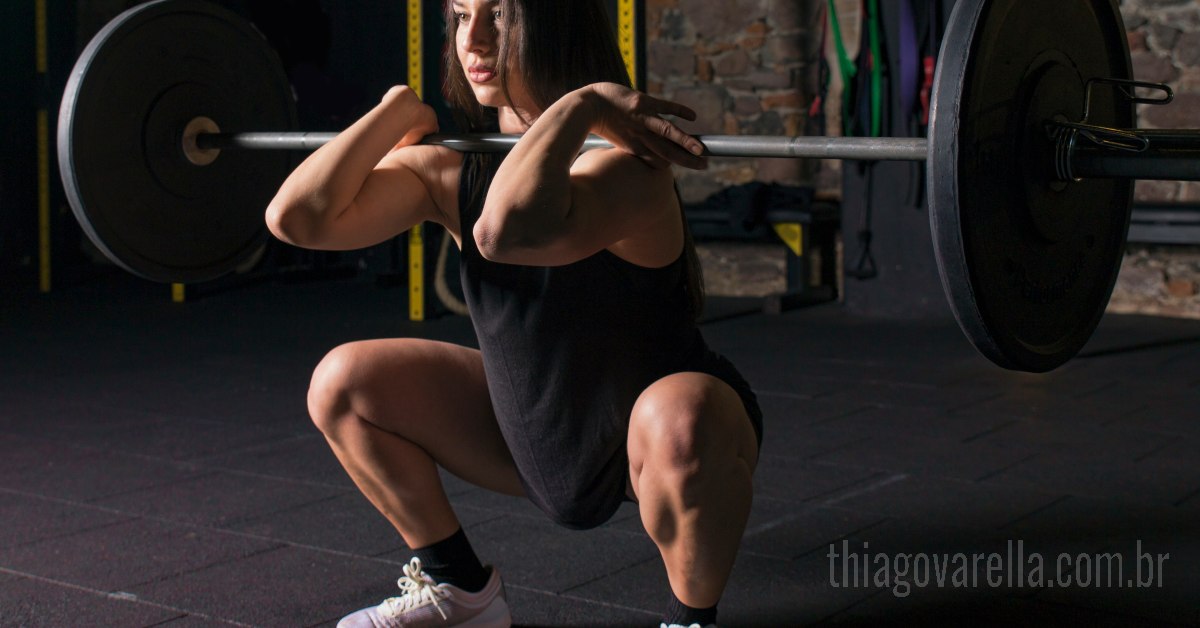 Squats cause the hamstrings and quadriceps to contract, a type of movement that provides stability to the knees.
Since the ankles provide support and strength during a squat, these exercises have been used extensively in the therapeutic treatment of instability in this area.
How to squat correctly
To perform squats successfully and enjoy all their muscle- and joint-toning benefits, you need to consider both your positioning and the movement itself.
The correct starting position for a squat is to stand upright, looking forward with your head up and your feet at least shoulder-width apart.
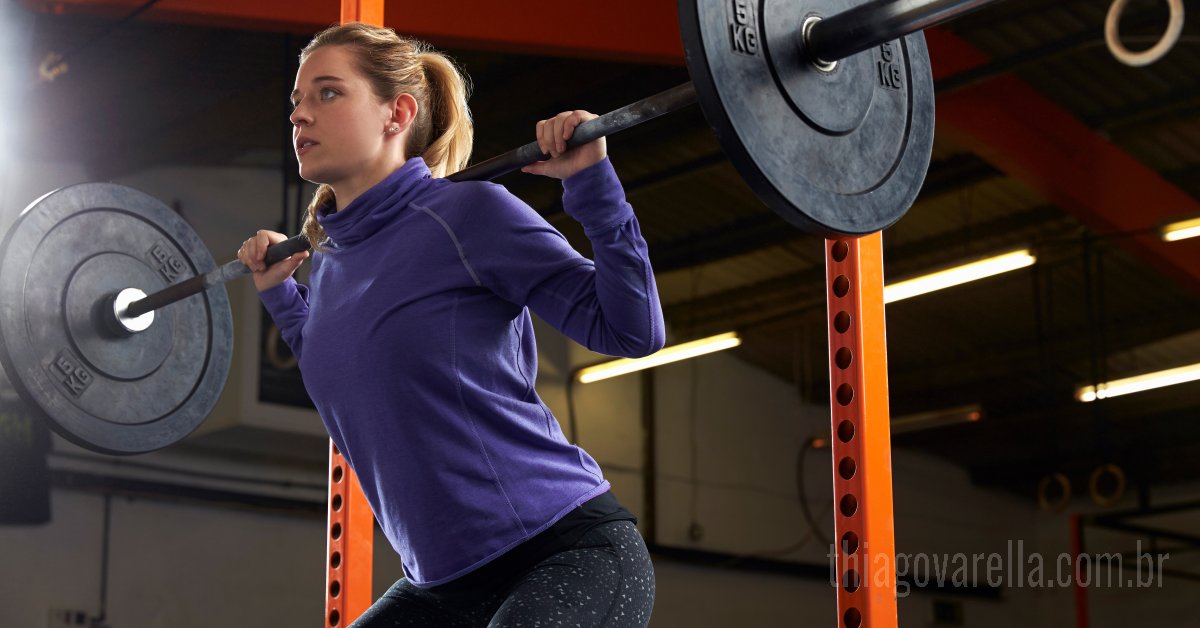 Your feet are essential, as they provide support during the squat. Some athletes prefer to position their feet with their toes turned outward, while others keep them parallel. It depends on each person’s flexibility and comfort.
Correct movement
Push your hips back as your body lowers over your feet and your arms drop with your body, while pushing your chest out so that the force is focused on your abdomen. Importantly, the downward movement is not straight down, but backward.
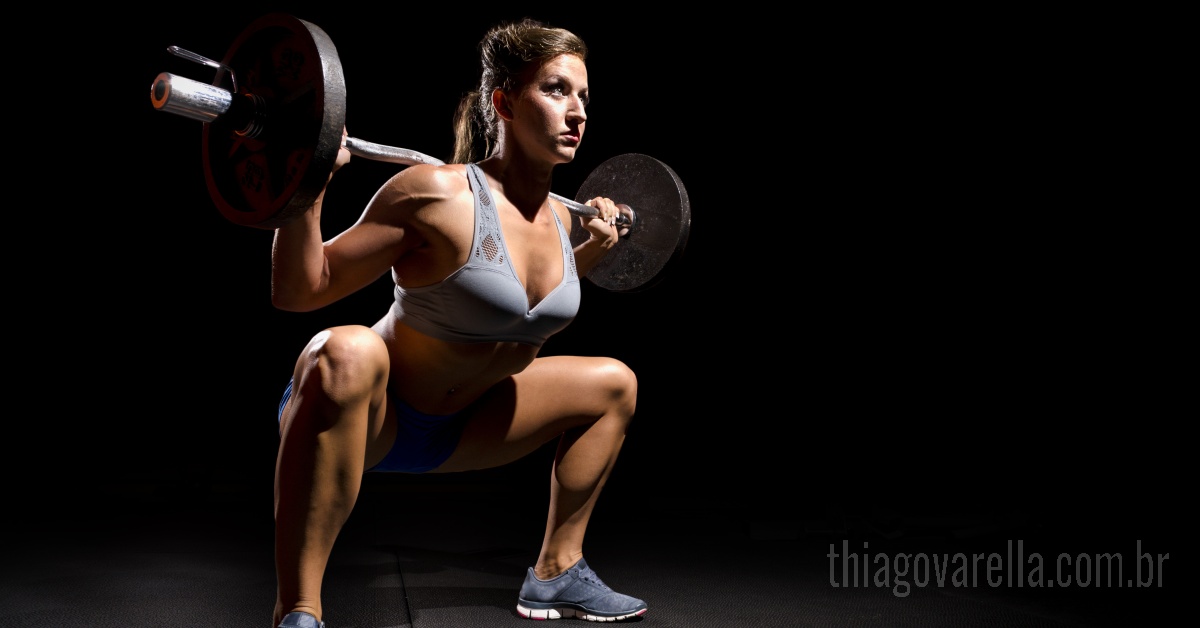
You should inhale as you bend your knees, while bringing your arms forward. Above all, make sure your knees stay aligned over your feet and do not cave inward.
Once you reach the lowest point, begin to rise by pushing up with the strength of your legs, not your body itself.
As you rise, monitor the position of your arms (they should also return to the starting position) and your breathing.
Common mistakes when squatting
What are the most common mistakes when doing a squat? First, positioning your knees incorrectly, both when setting up and during execution: your knees should not bend first; instead, the movement happens as you push your hips back.
As much as possible, avoid letting them move inward during the movement, and try to push them slightly outward.
On the other hand, you should avoid two common problems when squatting: arching your back as you lower deeper, and posterior pelvic tilt, or forcing the position of your pelvis in relation to your legs.
Did you like these tips on how to squat? Want to learn more about improving your squat technique? Keep following our blog and #VEMPROTREINO.