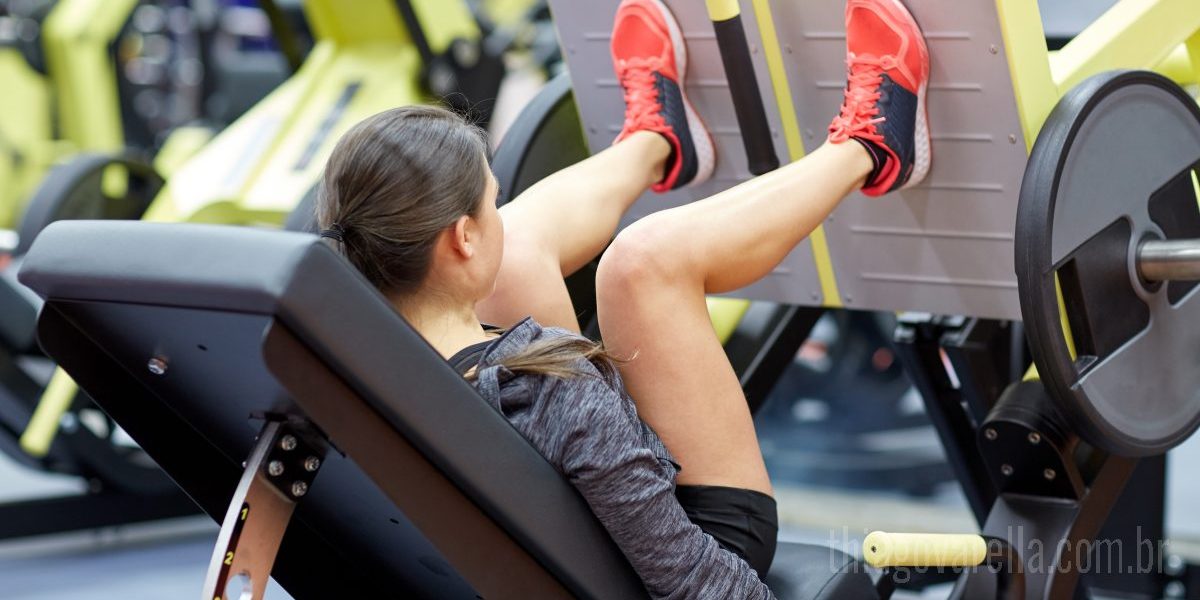
Without a doubt, one of the most popular machines at the gym is the leg press. We’ll discuss it and learn how to use it correctly throughout this article, so you can get the most out of this equipment and develop your lower body in the best possible way!
The leg press is an essential piece of equipment in any good workout routine!
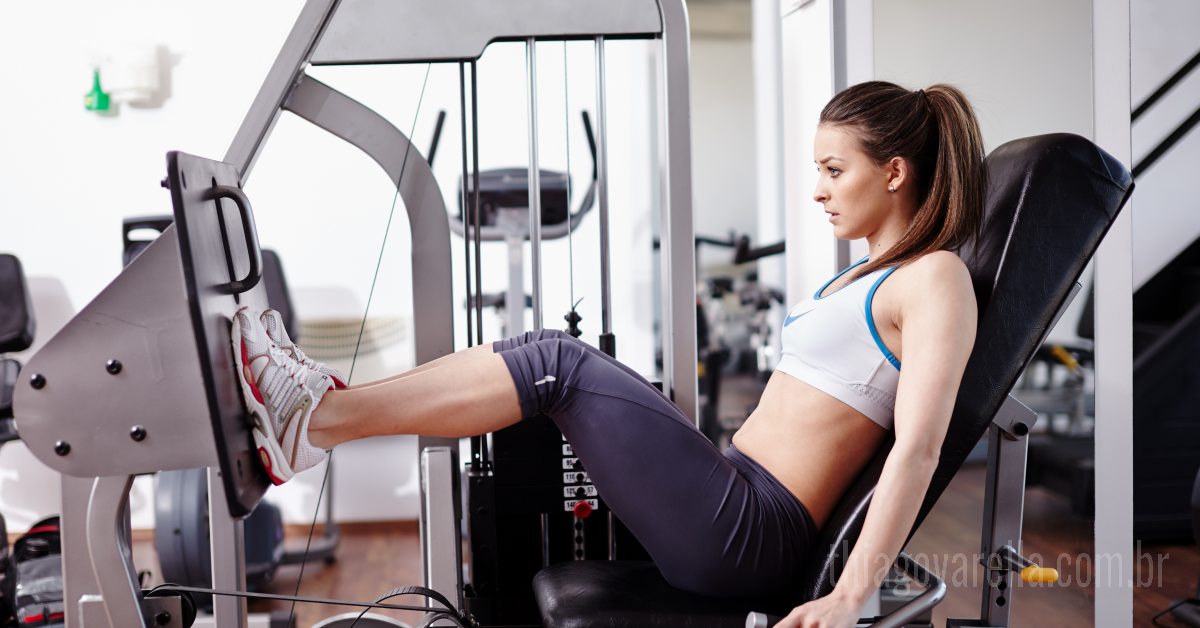 In this article, we’ll explain how to use this machine correctly and what precautions to take when doing the exercise.
The importance of the leg press
Leg training is one of the most complex aspects of weight training.
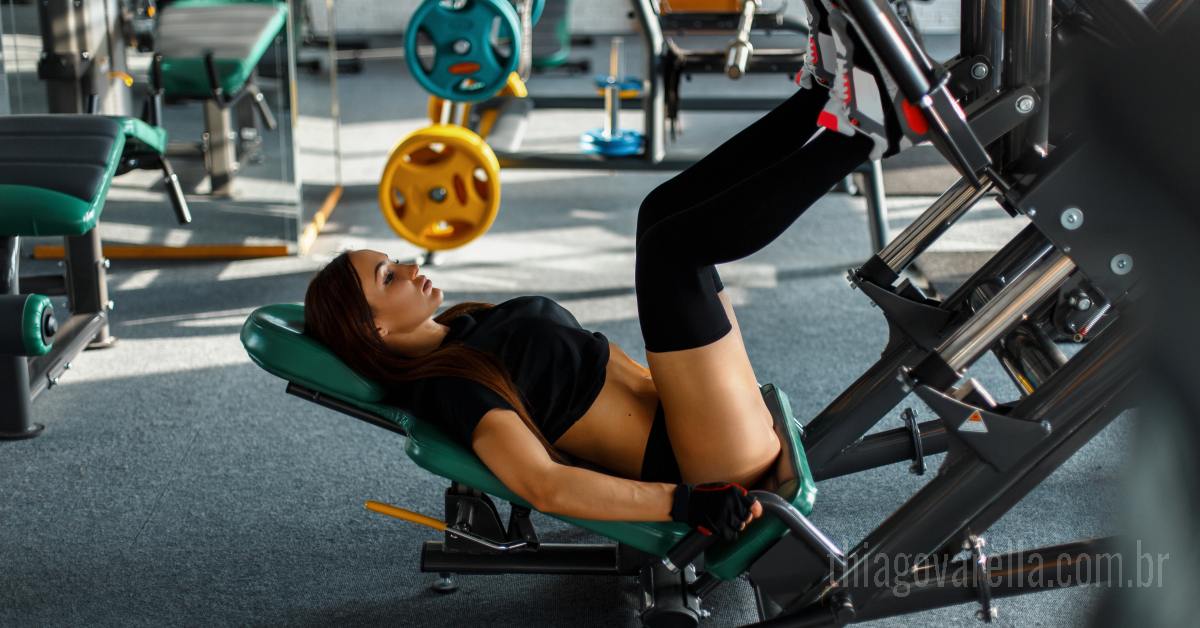
First, there are three types of leg press: the 45-degree leg press, the vertical leg press, and the horizontal leg press. Which one do you usually use? Do you know whether it’s the best option for you? First of all, all these machines involve knee or hip extension, and the force acts (almost) perpendicular to the torso. The weight moves toward your body, and you push the platform back up.
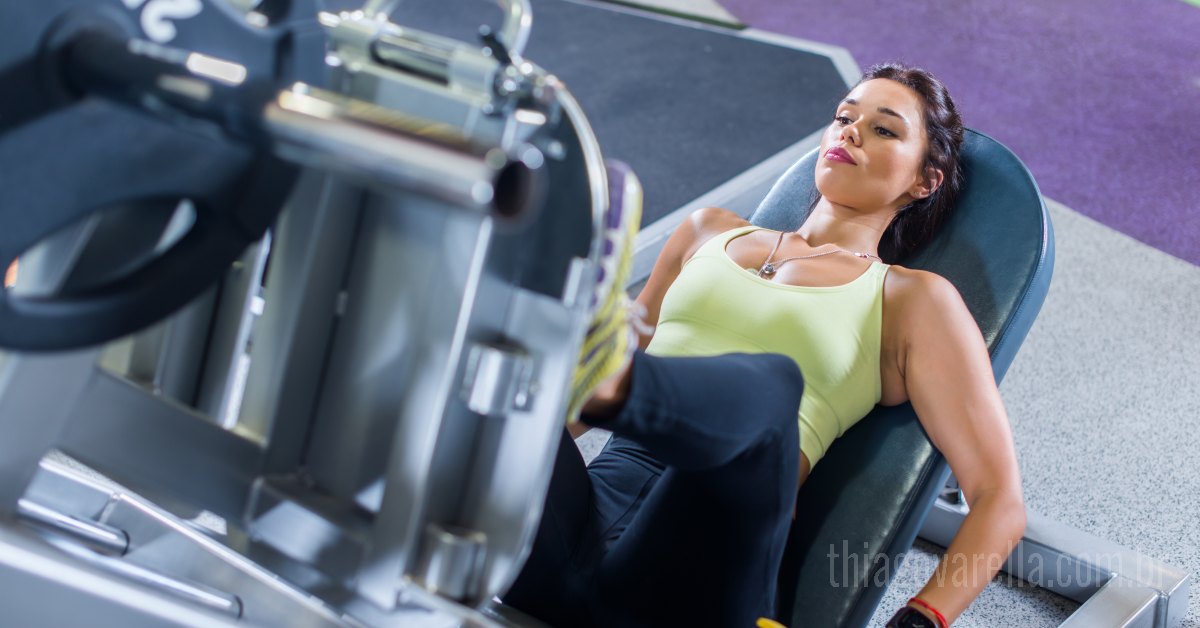
In short, without overcomplicating things, there are no major differences in muscle activation among these three leg press variations.
How to build your legs with the leg press
The main muscles involved in the leg press are the quadriceps, hamstrings, spinal erectors, and triceps surae, the group of muscles at the back of the lower leg. This exercise strongly activates the hamstrings, which are responsible for knee flexion.
And besides building your legs, the leg press is one of the best exercises for your glutes! Yes! To many people’s surprise, when performed correctly through a full range of motion, the leg press primarily recruits the glutes!
And besides building your legs, the leg press is one of the best exercises for your glutes! Yes! To many people’s surprise, when performed correctly through a full range of motion, the leg press primarily recruits the glutes!
The fact is, with the leg press we can safely train a wide variety of lower-body muscles, even with heavier loads! This is thanks to the machine stabilizing your body and having a safety lock in case of an unexpected failure.
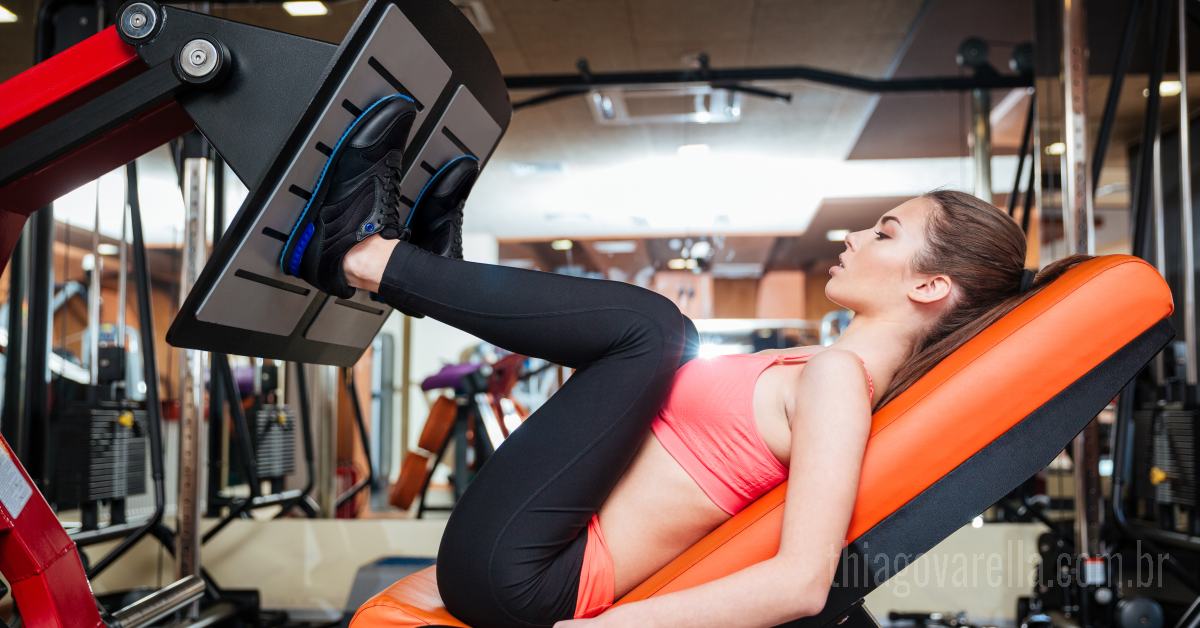
The fact is, with the leg press we can safely train a wide variety of lower-body muscles, even with heavier loads! This is thanks to the machine stabilizing your body and having a safety lock in case of an unexpected failure.
How to perform the leg press correctly
- Keep your back fully supported: It’s important to keep your entire back firmly against the backrest. You should also relax your neck to avoid straining your cervical spine and protect your back as you perform the movement.
- Bend your legs slowly: As you return to the starting position, carefully bend your legs and let the weight come down. Try to lower it as far as possible, but avoid excessive posterior pelvic tilt!
- Avoid fully extending your legs: Fully extending the joint at the top of each rep reduces tension in the quadriceps while increasing stress on the knees.
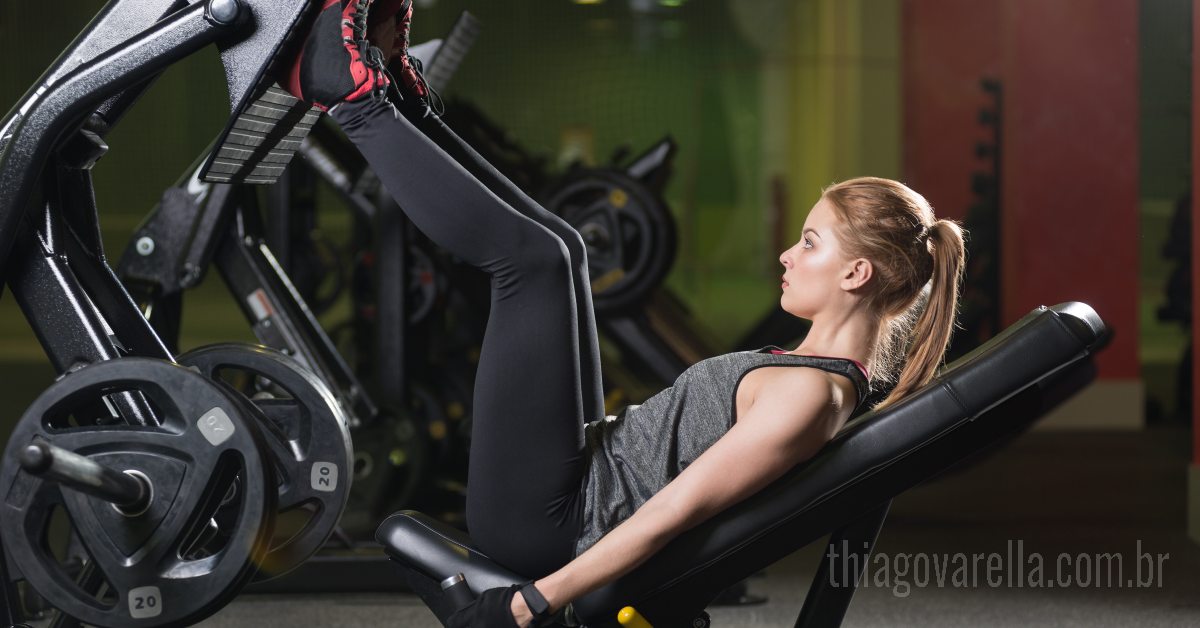 Don’t make sudden movements: It’s better to work slowly and steadily, moving the platform up and down without jerking!
Horizontal leg press vs. 45-degree leg press vs. vertical leg press: Which is best?
As mentioned earlier, there are no major differences in muscle activation among these three leg press variations!
With the horizontal leg press, the range of motion is generally shorter, and it can be difficult to stay firmly against the backrest when using very heavy loads.
The 45-degree leg press (the most traditional type) and the vertical leg press allow for heavier loads and a greater range of motion. Here’s a very important point: both exercises can significantly raise blood pressure.
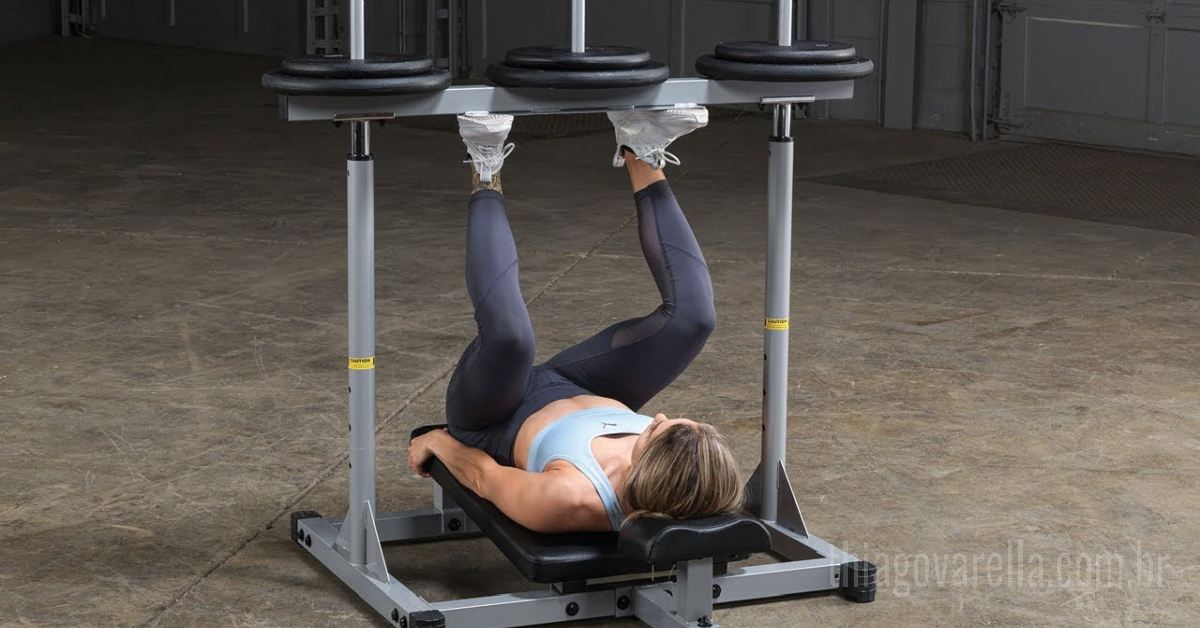
People with risk factors should therefore be careful, especially with the vertical leg press, where the head is lowered.
Has anyone here ever felt dizzy after an intense leg press session? When standing up after these exercises, some people have trouble staying upright and feel nauseated or dizzy. In extreme cases, these symptoms can even worsen hours later! So how can you prevent this? Well, avoid getting up quickly from the machine. But if the symptoms are severe, the solution is to avoid the leg press variation that raises blood pressure excessively.
Conclusion
The leg press can be used by beginners, intermediate trainees, and advanced trainees alike.
There are several leg press variations, although the inclined 45-degree version is the most commonly used. Talk to a professional before trying the other variations, as the right choice depends on your training plan’s goals. Regardless of which muscle you want to work, be sure to follow a professional’s recommendations when performing the exercise.
Finally, if you liked these tips on how to perform the movement correctly, share this post on social media to reach more people, and #JOINTHETRAINING.