Do you usually train during your menstrual cycle?
During the menstrual cycle, women experience numerous hormonal changes and, consequently, some notice changes in their training, either positive or negative.
This depends on each individual, but some women experience no change in their performance, regardless of the phase of their menstrual cycle, while others find it considerably more difficult during certain phases.
Generally, there are no contraindications to exercising while menstruating. But we need to clarify a few things before reaching a conclusion: women become sensitive. More than usual.
 Not just in an “emotional” sense—the body is much more sensitive to pain and fatigue. You may feel more tired and less motivated.
Sometimes, it is necessary to plan your workouts around the changes that occur during your cycle, taking hormonal fluctuations into account, such as changes in volume, intensity, and difficulty level.
Exercises to do during your menstrual cycle
Exercise during ovulation
The ovulation phase of your cycle occurs right after the follicular phase, usually lasting 3 to 5 days between the follicular and luteal phases—days 12 to 19 of your cycle.
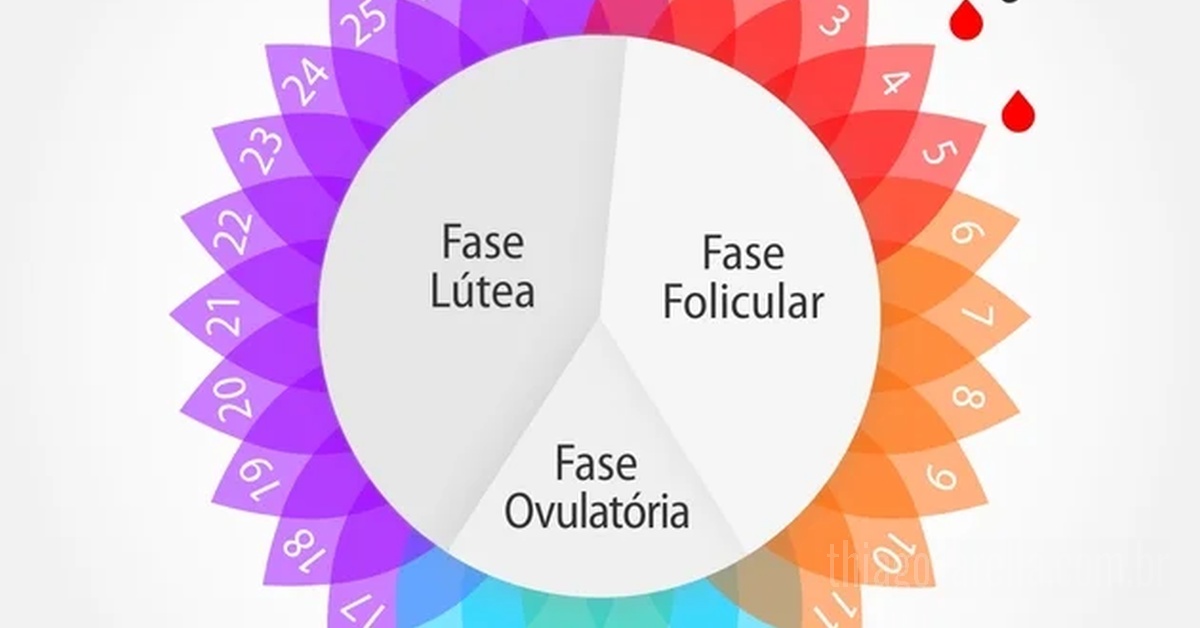 During this phase, your estrogen levels will still be high after rising during the follicular phase, while levels of luteinizing hormone (LH) and follicle-stimulating hormone increase. LH is what signals the body to begin ovulating.
Like the follicular phase, ovulation will probably be a time when you have lots of energy.
Exercise during the luteal phase
The last phase of your menstrual cycle—before your period—is the luteal phase. It usually lasts 14 days, between days 20 and 28.
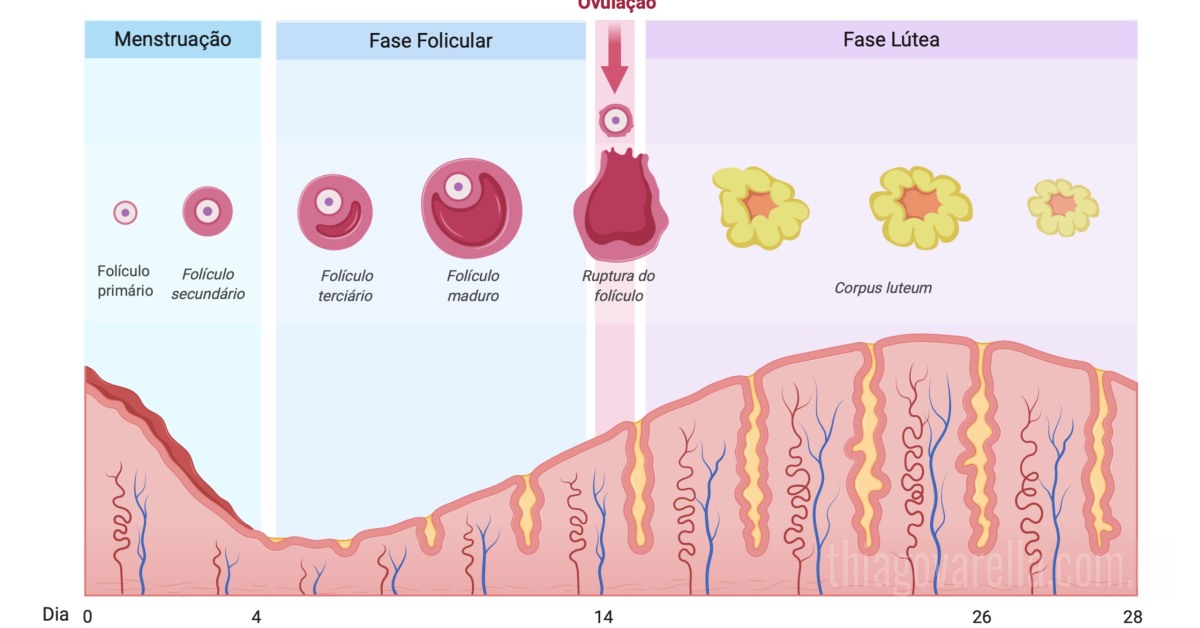 During the first part of the luteal phase, you will probably still have energy from ovulation, which will begin to decrease as your period approaches.
Benefits of continuing to train during your menstrual cycle
Don’t think that physical activity at this time will increase the discomfort caused by your menstrual cycle.
On the contrary: exercise helps reduce mood swings and irritability during menstruation because it releases serotonin and endorphins, neurotransmitters associated with well-being.
1. Training reduces cramps
Exercise stimulates vasodilation, which improves blood flow to the muscles and relieves the uterine contractions that cause cramps.
 The neurotransmitters released during exercise also have an analgesic effect, meaning they relieve pain and discomfort.
2. Training reduces fatigue
Periodic hormonal fluctuations and menstrual blood loss are why many women feel weak. As a result, exercise can feel like torture.
But rather than give up, one solution is to reduce the intensity of your training during your menstrual cycle. This way, you can maintain your fitness habits without pain.
3. Strength training can help a lot
At the end of the first phase of the menstrual cycle, estrogen levels rise (and remain high into the second phase, around day 12), and women feel stronger at this time. The tip is to do plenty of training.
 This is especially true because the following period is marked by a decline in this hormone and an increase in progesterone, which causes mood swings and fluid retention.
How does performance change during this period?
Performance can vary depending on the phases of the menstrual cycle.
Some people feel the effects of the menstrual cycle more intensely, while others feel them less. However, everyone is subject to their own female physiology.
These physiological changes generally affect exercise planning.
During the premenstrual phase, performance may decline due to the influence of increased progesterone levels.
 In the postmenstrual phase, performance improves significantly thanks to rising estrogen levels and increased norepinephrine secretion.
But, again, everyone is different!
Conclusion
Although there is scientific evidence showing that your hormones can affect your exercise performance during different menstrual phases, this doesn’t mean there is a one-size-fits-all approach to training during the menstrual cycle.
You may find that you have lots of energy during your period or even in the middle of the luteal phase.
If that’s the case, you don’t need to adjust your training around your cycle.
 Tracking your period is a great way to stay on top of your health and understand your hormonal fluctuations, but it doesn’t need to be the deciding factor in which exercises you do.
Do what feels right for you, and remember that any type of exercise—even just a stretching session—and healthy habits are great for your long-term health.
What did you think of this article about training during the menstrual cycle? Would you like to receive more articles about physical training? Keep following our blog and #VEMPROTREINO