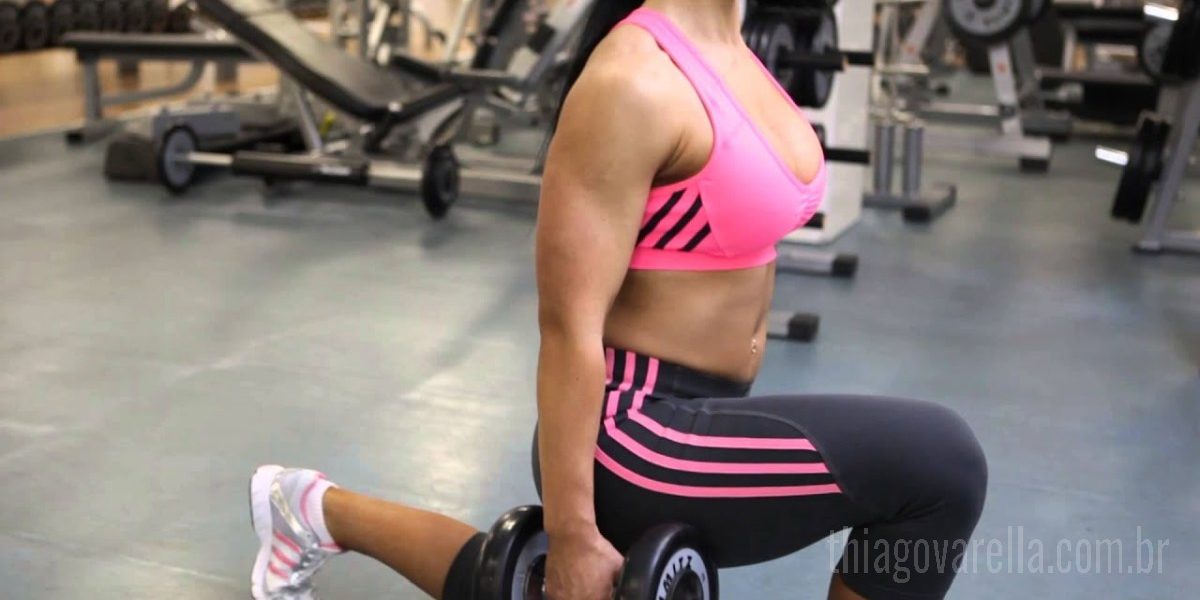
Getting in shape isn’t easy. But after training consistently, how long can we maintain our physique if we stop working out?
I have two pieces of news… one bad and one good… let’s start with the bad news: The bad news is that this “break” naturally causes muscle atrophy… This atrophy can happen even faster in cases of immobilization due to some type of trauma… Now for the good news: Don’t worry! NOT ALL IS LOST! Have you heard of muscle memory?
Muscle memory
A recent study concluded that the phenomenon of muscle memory can be explained, in large part, by the fact that muscles maintain the same number of muscle cell nuclei during muscle loss or a lack of training.
These muscle cell nuclei seem to act as “memory cells.” They “remember” how much muscle mass you had before you stopped training. THEREFORE, the longer you have trained throughout your life, the longer it will take to lose the fitness you achieved.
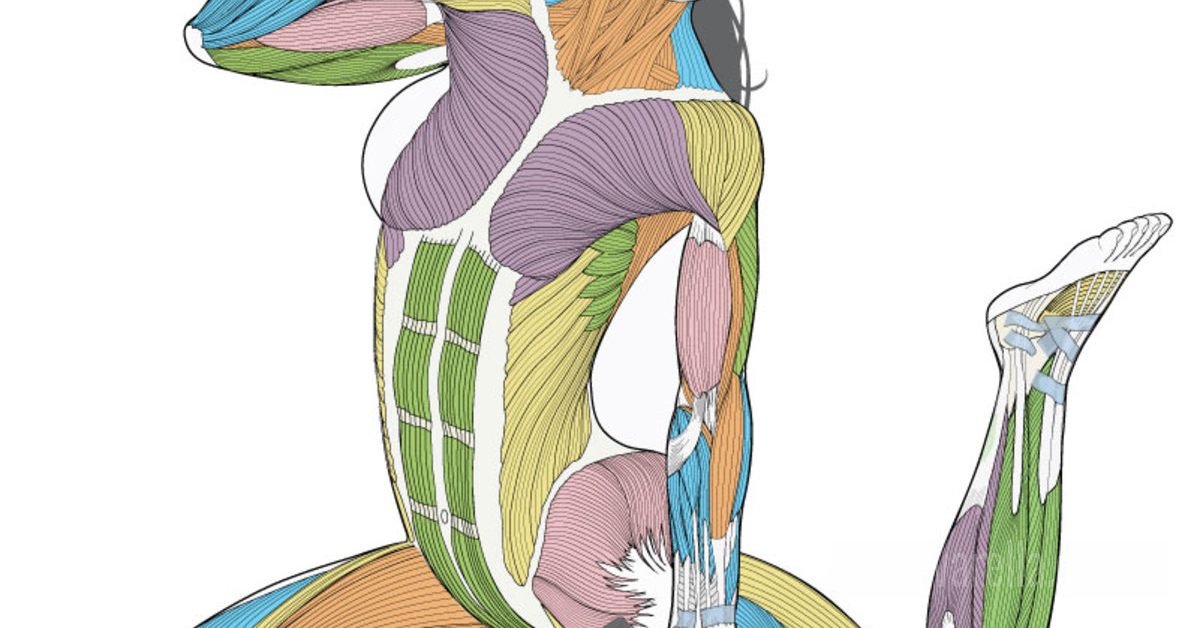 Muscle volume comes back more quickly in people who have trained before, but remember: when you return to training, increase the weight gradually to avoid the risk of injury!
How long does it take to start losing weight?
The rate of muscle atrophy depends on your current fitness level and how long you have been inactive.
The more muscle mass you have, the harder it will be to maintain when you’re inactive, and the more you will lose. In other words, healthy people tend to lose muscle mass more quickly than people who are less healthy.
Some studies show that you can start losing muscle after a week of inactivity—if you can’t move around, you could lose up to 1 kg.
 Another study showed that even if you’re not bedridden, muscle size decreases by approximately 11% after ten days.
However, before you panic, remember the muscle memory I mentioned in the previous section! Vacations won’t hurt you—in fact, we all need physical and mental rest! And you don’t have to stop all physical activity while you’re enjoying your vacation! Remember, it’s a lifestyle! The important thing to understand is that the “worst” muscle atrophy usually happens during an injury or when you stop using your muscles completely for a long time.
Does muscle turn into fat?
Muscle and fat are completely different tissues. In other words, it’s impossible to turn one into the other.
In an interview with Live Science, Brad Schoenfeld, an assistant professor of exercise science at Lehman College of the City University of New York, discussed the subject and explained it this way: “The best analogy I can use is that you can’t turn an orange into an apple.” So, it’s important to understand that losing weight is a different process from gaining muscle mass.
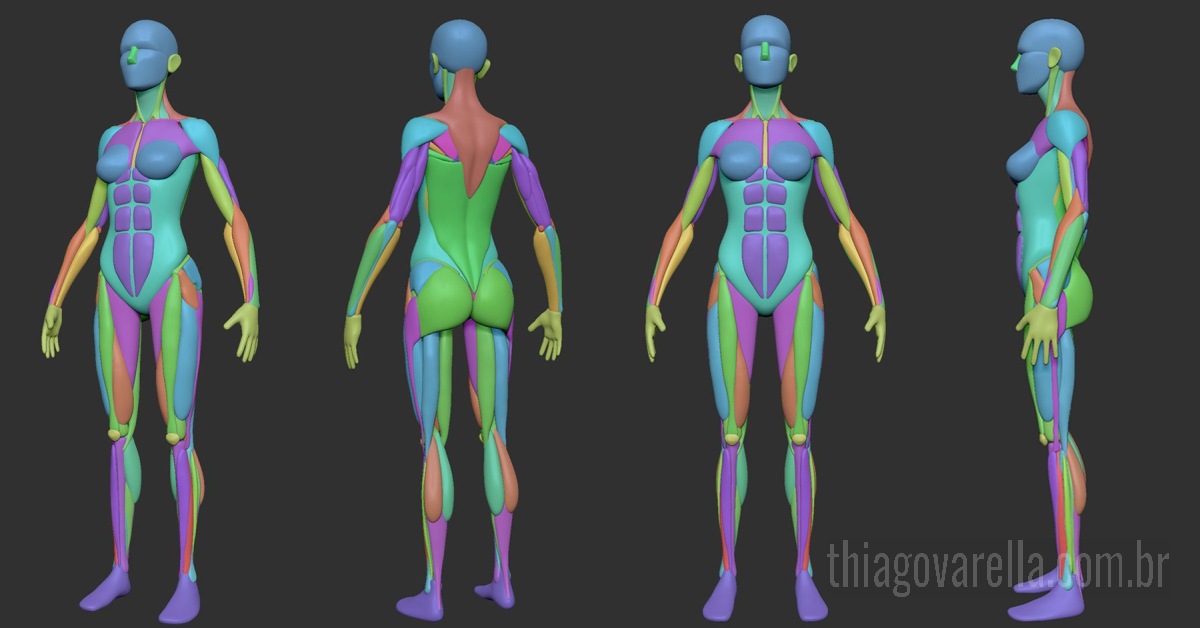 If you become inactive, your body composition will change. Less muscle and probably more fat… if you don’t pay attention to your diet.
Your mood changes—and for the worse…
Physical activity, even if it’s irregular, releases hormones and substances that significantly improve your mood.
When exercise is a regular activity, this benefit tends to become more and more natural and generally improves the mood of those who are more active.
Beyond a defined abdomen and physical and mental well-being, here’s the most curious and interesting benefit of exercise: the production of ENDORPHINS, neurotransmitters used by neurons to communicate within the nervous system. Or, as I like to call them: the PLEASURE hormones.

Endorphins are substances produced by our brains during and after physical activity. They regulate emotions and the perception of pain, helping us relax and creating feelings of well-being and pleasure. Their name comes from the words “endo” and “morphine,” which mean internal and painkiller, respectively.
There are many benefits! You improve your physical and mental well-being. When we feel good in our bodies, we work better, have better relationships, travel better, have more energy to face everyday life, and get sick less often.
Once your body gets used to these stimuli and substances, if it stops receiving them, your hormonal chemistry becomes unbalanced, which also causes a bad mood and irritability.
How do you get back into an exercise routine?
Here are some tips to help you overcome these challenges and get back to your exercise routine.
1. Start slowly
First of all, you need to know that you can’t make up for all the lost time at once. So start slowly. Going too hard right from the start can cause injuries!
The key is not to rush your return. Taking care ensures that you don’t exceed the limits needed to keep you safe.
2. Start with lighter weights
The priority isn’t to “go hard” but to help your body readjust, since you’re just getting back to training. This readjustment is essential, and it takes patience and commitment!
In other words, using the same weight you lifted before could overload your muscles and joints, for example. One tip is to start slowly and gradually increase the intensity.
3. Stay consistent
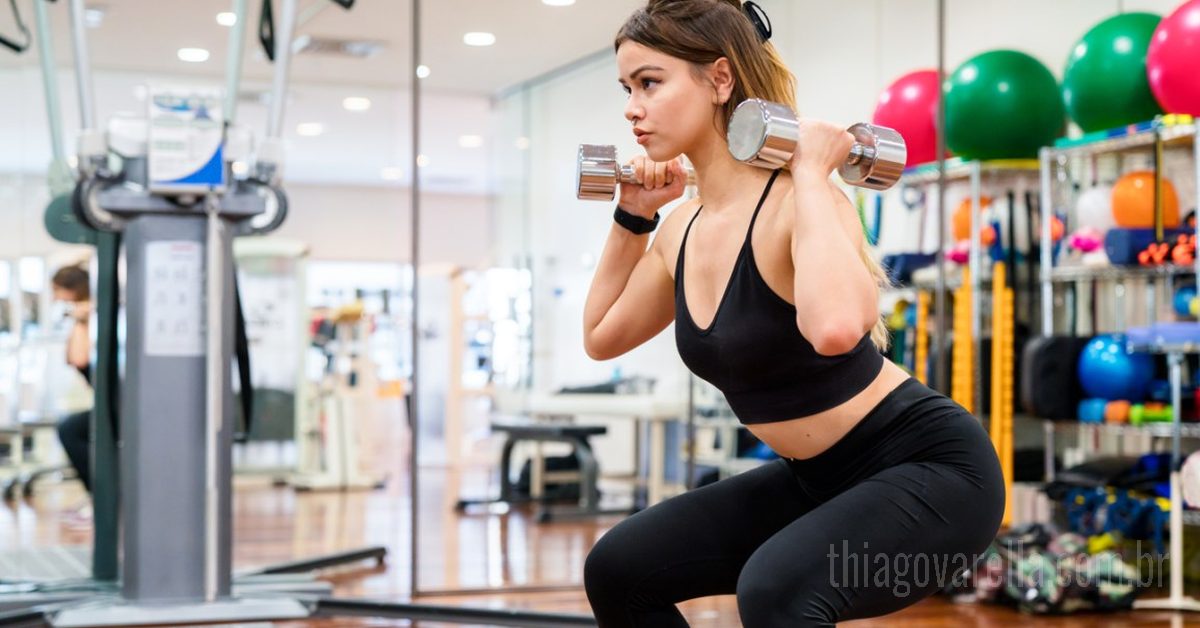
Another important part of getting back to training is staying consistent. When you return, opt to do more repetitions with lighter weights. One suggested workout program for people returning to exercise is called an alternating body-part routine. It’s recommended for people returning to exercise because it helps prevent early muscle fatigue. In this type of routine, you shouldn’t focus on training one particular joint. Whenever possible, alternate between upper- and lower-body exercises. The initial focus is not on building muscle!
If possible, train every other day. This helps your body adjust more quickly and lets you regain your fitness without getting injured.
4. Get professional support
Exercise should be enjoyable and help you get results! Seek professional guidance, whether in person or online! Getting back to it is harder than starting in the first place. Not enjoying your workout is one of the main reasons people lose motivation. So, if you want to beat that lack of motivation, aim for RESULTS!
 Conclusion
Aside from injuries or illnesses, I personally don’t think there’s any reason to stop physical activity altogether, even during the year-end holidays or vacations… in fact, with more free time during vacation, you could devote yourself to it even more! Keep training, and do it mindfully! Your health will thank you!
Did you like these tips? If you still have questions, leave them in the comments. Share this post with a friend who also needs to know this information before taking days off from training, and #VEMPROTREINO.