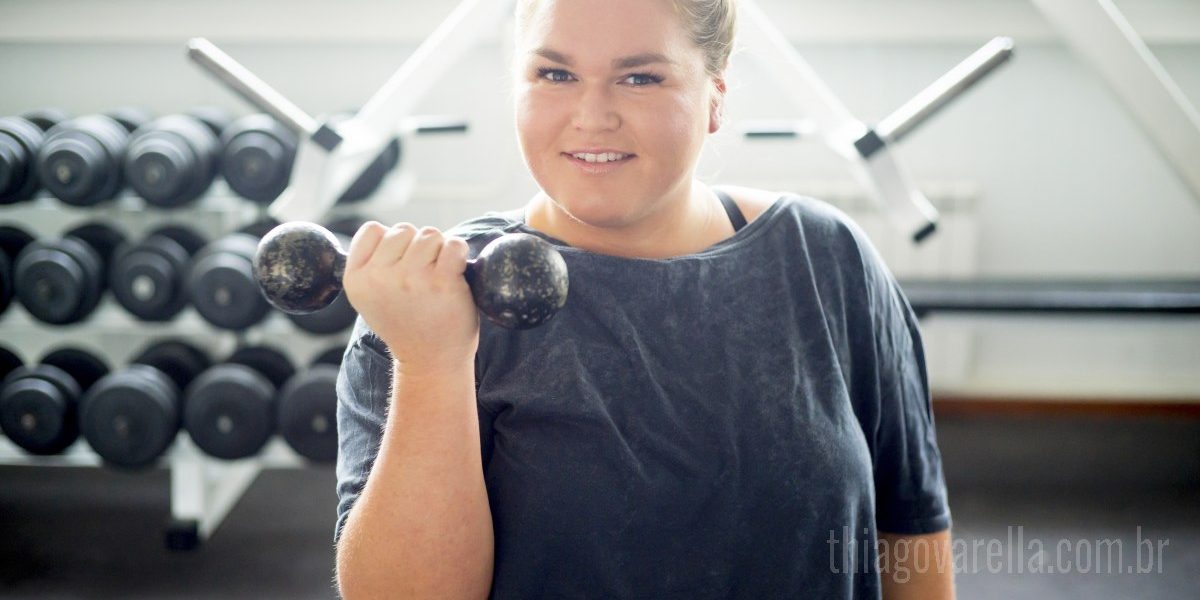
Obesity is a modern disease that affects different countries and cultures. In this regard, weight training for obesity is a very important option for reducing its effects.
In this article, we’ll talk about weight training for obesity. How can you achieve better results?
Sedentary Lifestyle x Obesity
The WHO recommends that adults increase their weekly physical activity to 300 minutes – up to an hour of exercise five days a week or 40 minutes seven days a week – or do 150 minutes of vigorous physical activity per week, provided there are no contraindications.
The organization’s latest guidelines, from 2010, focused on achieving “at least” 150 minutes of moderate physical activity or 75 minutes of high-intensity exercise per week.
But there’s an important distinction to make! Physical activity is any everyday movement that stimulates the muscles and uses energy, such as walking, running, or climbing stairs. Physical exercise, on the other hand, is planned activity, such as a weight-training workout!
In other words, all exercise is physical activity, but not all physical activity is exercise.
Currently, 47% of Brazilian adults don’t even get 30 minutes of exercise a day. Therefore, it’s natural that most of these sedentary people are more prone to disease.
One factor that can make the situation worse is that, unfortunately, many people with obesity don’t feel motivated to engage in physical activity.

Currently, 47% of Brazilian adults don’t even get 30 minutes of exercise a day. Therefore, it’s natural that most of these sedentary people are more prone to disease.
One factor that can make the situation worse is that, unfortunately, many people with obesity don’t feel motivated to engage in physical activity.
Therefore, it’s important to encourage and motivate clients with overweight to exercise!
The idea is to make physical activity feel as natural as possible, rather than like an unpleasant obligation.
Benefits of weight training for people with obesity
There are some very important factors in the fight against obesity, and weight training can be a powerful ally. In this regard, the main reasons for people with obesity to do weight training are:
Increase your calorie expenditure
Weight training, when properly guided, can speed up fat loss throughout the day, helping you lose more weight than low- and moderate-intensity aerobic exercise. With your metabolism revved up, you continue to burn fat for a long time after physical activity.
 Strengthen your joints
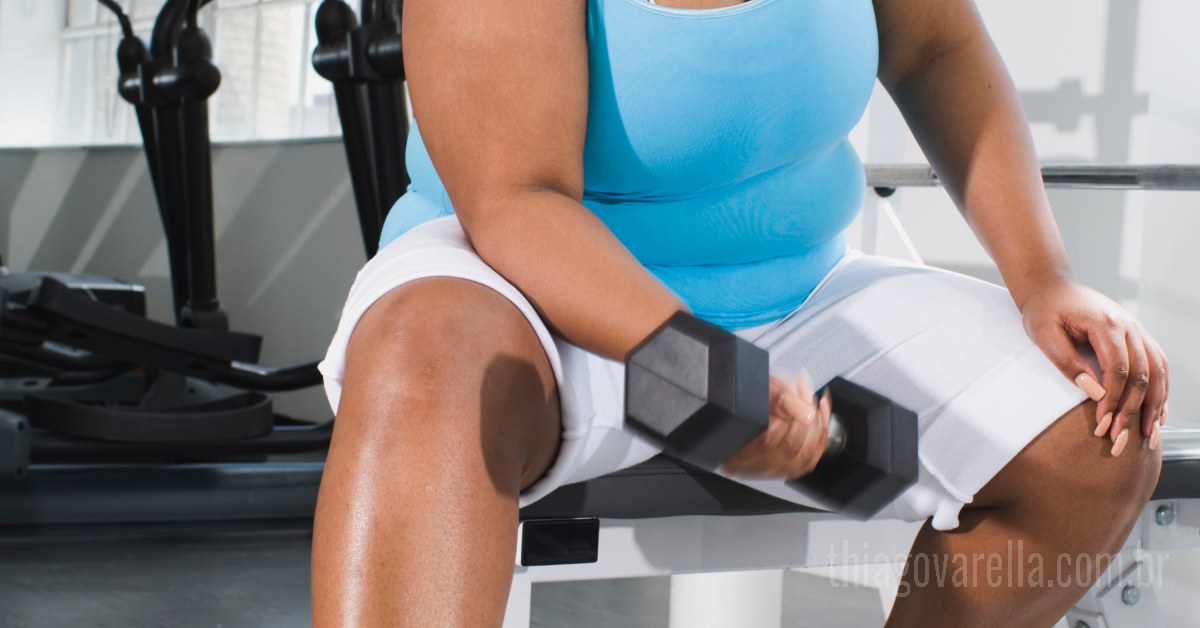
Another important point is that if weight training is done correctly and the exercises are carefully selected for this purpose, there will be no impact on the joints.
This is very important for people with obesity, since their joints are often affected by excess weight.
This is very important for people with obesity, since their joints are often affected by excess weight.
Improve your body composition
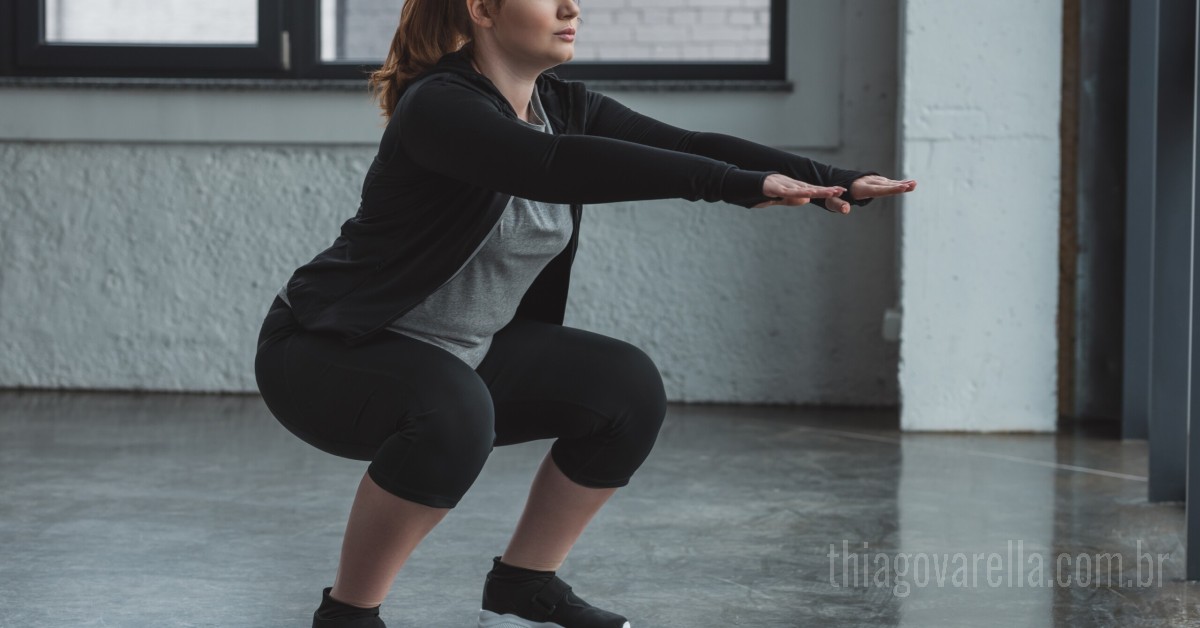
As your body fat percentage decreases, with a balanced diet and increased muscle tone, your body composition will naturally improve significantly over time.
Reduce stress
One consequence of the stress response is the growth of abdominal fat cells and the loss of muscle mass, which leads to insulin resistance and obesity.
 The adrenal hormone cortisol, released as a result of the stress response, is ultimately responsible for stress-related weight gain because it promotes insulin resistance and raises blood sugar levels.
Daily stress is a normal part of modern life. However, if stress is extreme, unusual, or long-lasting, the stress response can be overwhelming and quite harmful.
Improve your overall health
Regular exercise is obviously the key to staying healthy. The ability to lose weight through exercise is a direct reflection of a person’s muscle mass. The more muscle mass you have, the more fat you burn.
 For both men and women, muscle mass increases throughout adolescence and peaks in the late teens and mid-20s.
After that, most people’s muscle mass slowly but steadily declines.
Unless we specifically build muscle through weight training, we’ll lose about 1% of our lean muscle mass every year by the age of 50.
How should weight training for obesity be done?
Every workout, if properly prescribed, aims to build lean muscle mass and lose fat. What will enhance those results—or not—is your diet! There is no properly designed workout that will “reduce” your lean muscle mass… Fat loss happens uniformly, not in specific areas. It’s impossible to lose fat in just one part of your body.
Which exercises can help most with fat loss? Choose compound exercises such as barbell back squats, front squats, deadlifts, and pull-ups…
 For example, both deadlifts and squats are exercises that build strength and muscle throughout the body. More than 200 muscles are involved in performing them!!! In addition, they are among the exercises that release the most growth hormone and testosterone, increasing strength and muscle growth throughout the body.
Is cardio essential for weight loss?
I don’t recommend low-intensity, moderate- to long-duration cardio… if it’s for leisure and enjoyment, it’s fine… but we already know it’s not the best strategy for fat loss. You could run from here to the moon… and the loss would be minimal. It would be practical for me to recommend running five kilometers a day… but the impact would be minimal. Focus on your diet. Always. If it’s for leisure, that’s fine!! Do it because you enjoy it, okay? Remember that people who are overweight should avoid high-impact activities such as running or activities that involve jumping, etc.
 Remember that people who are overweight should avoid high-impact activities such as running or jumping to prevent joint injuries.
Weight training for obesity: final thoughts
Without a doubt, if you’re looking to lose weight, weight training for obesity is the right path for you.
Many people with obesity still believe they should focus on cardio and wait to lose fat before starting a weight-training program at the gym.
However, what we see is that people who incorporate weight training are able to lose weight and build muscle much faster.
What did you think of these tips? Do you think weight training for obesity is right for you? Let us know what you think in the comments. #VEMPROTREINO