
How many times a week do you work out? Do you usually train the same muscles every day? These questions are simple, but the answer to each one can determine whether you are training properly to achieve the results you want. After all, do you have to work out every day to get results?
It all depends on the training structure developed by the sports professionals you trust.
You don’t need to work out every day to get results. Regardless of your goals and how long you have been strength training—whether you’re a beginner, intermediate, or advanced—your body needs a few days of rest each week to recover from training and achieve the results you want.
Want to learn more about this? Keep reading to understand how to get better results, even by working out fewer times a week.
A workout routine is important
So, does a client have to wait a long time to achieve results? No! But given most people’s eagerness, it’s important to be realistic about timelines… a good training program generally starts producing visible results in 2 to 3 months, but this depends on many factors, such as frequency, dedication, and nutrition.
 Workouts need to follow a plan and a regular schedule to produce the expected results, because sporadic workouts won’t deliver them.
How much training is ideal?
It also depends on each person’s physical condition. For example, for someone who doesn’t exercise, 100 to 150 minutes a week (approximately 20 minutes a day) is enough to improve health and reduce the risk of diseases associated with a sedentary lifestyle.
All of this should be assessed and decided between the client and the professional responsible for the training plan.

Training frequency has a major impact on muscle growth, although it isn’t the only factor. Someone might even work out every day, but if the training structure isn’t appropriate for hypertrophy, they won’t see results. That’s because, on average, muscle groups take about 48 hours to recover after being stimulated.
So, here’s how it works: if I train a “chest” muscle group today, it will generally be ready for another stimulus only after that period of time.
How can you work out less and get better results?
The key is intensity! You need to push your body to its limits. This is just not recommended for beginners, okay!?
There are two ways to increase intensity: increase training volume or increase the load. 
We use two fundamentals as a starting point when designing a periodized program: volume and intensity. These two are inversely proportional. If you increase one, the other will inevitably decrease.
How can you lose weight while working out less?
A fat-loss plan needs to be very intense and include full-body exercises to increase energy expenditure and speed up your metabolism.
These workouts are very tiring and demand a lot of physical effort. So, if you work out every day without paying attention to recovery, you’ll end up depleting your energy reserves.
 Result: catabolism (loss of lean body mass) or overtraining.
In this case, the ideal is to work out 3 to 4 times a week, with rest days, okay?
How many times should I train the same muscle?
Training the same muscle twice a week is more than enough for weight loss and hypertrophy.
Numerous studies have shown that, when applied, higher-intensity workouts bring us much greater benefits than high-volume workouts.
 The problem is that a myth has developed that you need to spend at least two hours working out at the gym, at least 6 times a week. That’s a complete waste of time and a risk to your health!
Except in specific cases where periodization calls for higher-volume workouts, you can work out much faster and more intensely, giving you more free time.
The importance of a professional
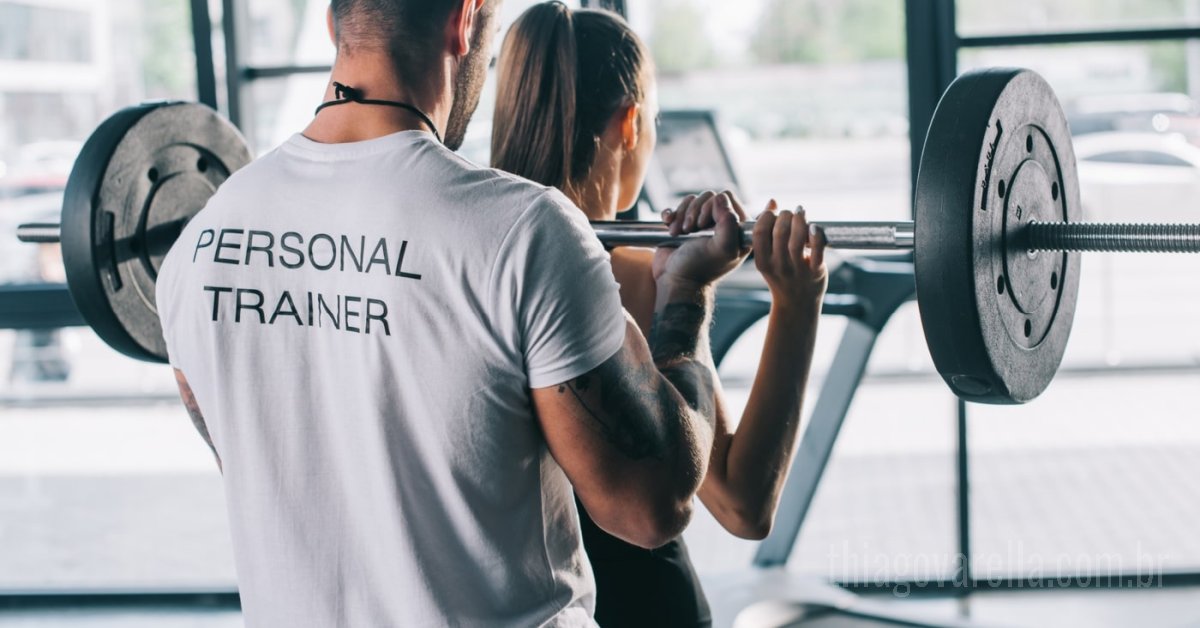
Whether you are a beginner or advanced exerciser, you should get professional support to optimize your activities. A professional has the knowledge to establish training procedures that ensure consistency and regularity without limiting results.
You’re investing in your most precious assets… your health and your body!! Professionals in the field can design training programs to support healthy, beneficial development.
 What did you think of these tips? Do you still have questions? Leave us a comment below or on social media. #VEMPROTREINO