Stiff-Legged Deadlift with Straight or Bent Legs? Which Is Correct?
When it comes to performing the stiff-legged deadlift, a common question arises: what is the correct way to do it—with your legs more straight or more bent?
In this article, we’ll address this question and provide essential information to clear up any confusion.
Before we continue, if you’d prefer to watch a video about the topic, click below to check it out.
What Is the Stiff-Legged Deadlift?
The stiff-legged deadlift is a well-known strength-training exercise used to strengthen the muscles in the back of the thighs, glutes, and lower back.
It is considered a compound exercise because it works several muscle groups simultaneously.
The stiff-legged deadlift is usually performed with a barbell or dumbbells, but it can also be done using a machine designed specifically for this exercise.
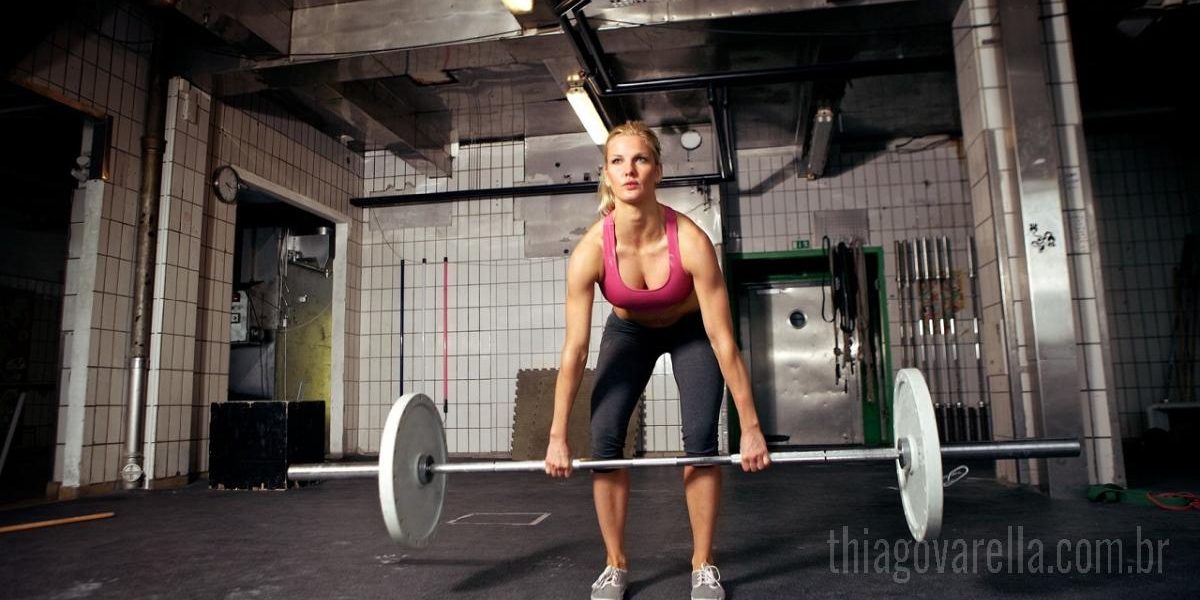
The starting position involves holding the barbell or dumbbells with your arms extended in front of your body, using an overhand grip (palms facing down). Your feet should be shoulder-width apart.
During the movement, hinge your hips back, keeping your legs straight or slightly bent, and your spine straight.
Lower the weight until the barbell or dumbbells reach a point below your knees, while keeping your torso parallel to the floor.
Then return to the starting position by extending your hips again.
Straighter Legs vs. More Bent Legs: Both Are Correct
The answer is that both ways of performing the exercise are correct. However, each one targets specific muscles.
With straighter legs during the stiff-legged deadlift, your hamstrings will be engaged more than your glutes.
With your legs more bent, your glutes are engaged more than your hamstrings.
Therefore, choosing to keep your legs straighter or more bent during the stiff-legged deadlift depends on which muscle group you want to emphasize.
The Importance of Mobility
One crucial factor that distinguishes the two variations is mobility. Many people find it difficult to perform the exercise with more bent legs because they lack adequate mobility, which makes the movement more challenging.
Another important point to keep in mind during the stiff-legged deadlift is head position. It is essential to keep your head aligned with your torso, looking at the floor rather than straight ahead.
This posture helps relieve tension in the neck, preventing discomfort.
Proper Form to Prevent Injuries
Proper form is another crucial aspect of performing the stiff-legged deadlift. It is essential to lower the weight only as far as you can without rounding your lower back.
Maintaining proper form helps prevent potential pain and injuries in the future. Also, pay attention to your foot positioning during the exercise.
Find a position that provides balance and stability so you can perform the stiff-legged deadlift effectively.
Final Thoughts on the Stiff-Legged Deadlift
In this article, we discussed whether to keep your legs straighter or more bent while performing the stiff-legged deadlift.
We concluded that both variations are correct, and the choice depends on which muscles you want to target.
We also highlighted the importance of mobility, proper form, and foot positioning during the exercise. These are essential factors for performing the stiff-legged deadlift safely and effectively while avoiding future injuries and discomfort.
We hope this article has helped answer your questions about how to perform the stiff-legged deadlift correctly. Now it’s time to put these tips into practice and get even better results from your workouts. Follow our blog and our YouTube channel, and #LETSTRAIN.