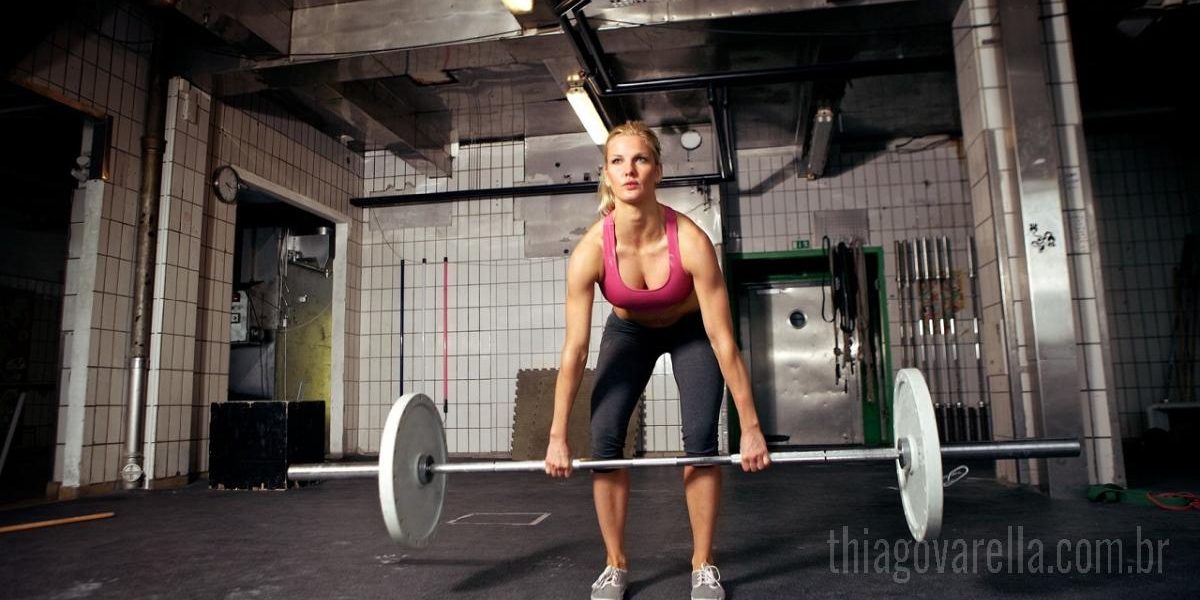
The stiff-legged deadlift is widely recognized as one of the main exercises for strengthening the muscles of the lower body.
However, it is important to perform this exercise with proper technique to avoid injuries, especially in the lower back.
In this article, we’ll discuss the most common mistakes made when performing the stiff-legged deadlift and learn how to avoid them to ensure a safe and effective workout.
Click play below if you’d prefer to follow along with the video:
Benefits of the Stiff-Legged Deadlift
The stiff-legged deadlift is a fundamental exercise for building muscle strength, especially in the lower body.
It’s a popular choice among athletes, bodybuilders, and fitness enthusiasts because of the many benefits it offers.
1. Strengthens the Hamstrings
One of the main benefits of the stiff-legged deadlift is that it strengthens the hamstrings, including the biceps femoris, semitendinosus, and semimembranosus.
These muscles are essential for functions such as knee flexion and hip extension.
When you perform the stiff-legged deadlift, you place a significant load on these muscles, promoting muscle development and endurance.
2. Works the Glutes Intensely
In addition to the thigh muscles, the stiff-legged deadlift also engages the glutes. Specifically, the gluteus maximus is recruited during hip extension.
This helps improve glute strength and shape. The glutes play a key role in hip stability and everyday activities.
3. Builds Core Strength
The stiff-legged deadlift doesn’t just work the lower body; it also requires significant core engagement. To keep your lower back straight and prevent injuries, you need to contract your abdominal and lower-back muscles.
This helps build core strength and stability, which are essential for safe and effective training.
4. Improves Posture
Proper technique when performing the stiff-legged deadlift involves keeping your spine in a neutral position, which helps improve your posture.
By practicing this exercise regularly, you train your body to maintain an upright, aligned posture. This can be beneficial not only during workouts but also in everyday activities.
5. Increases Mobility
The stiff-legged deadlift involves bending at the hips and legs.
This helps increase mobility in this area, which can benefit those looking to improve hip flexibility and reduce the risk of injuries related to limited mobility.
Common Mistakes When Performing the Stiff-Legged Deadlift (and How to Avoid Them)
Mistake #1: Rounding Your Lower Back
One of the most harmful mistakes when performing the stiff-legged deadlift is rounding your lower back.
When you let your lower back curve during the movement, you put excessive pressure on the lumbar discs. This can lead to painful injuries and long-term problems.
Tip: Keep your lower back straight and aligned throughout the movement. Imagine pushing your hips back and keeping your abs tight to help maintain the correct spinal position.
Mistake #2: Neglecting Your Neck Position
Another common mistake when performing the stiff-legged deadlift is neglecting your neck position. Your head should always be aligned with your torso, which means you shouldn’t look up or down during the exercise.
Looking up can strain your neck, while looking down can affect your overall posture.
Tip: Keep your gaze fixed on a point in front of you, with your head aligned with the rest of your body. This helps you maintain proper posture and reduces the risk of neck injuries.
Conclusion
The stiff-legged deadlift is an extremely important exercise for lower-body training, but it should be performed carefully and with close attention to technique.
Avoiding common mistakes, such as rounding your lower back and neglecting your neck position, is essential to ensure this movement is safe and effective.
By performing the stiff-legged deadlift with proper technique, you maximize the benefits for your lower-body muscles while minimizing the risk of injury. Stay safe and keep working toward your training goals. #LETSTRAIN.