How to tell if you’re losing fat or gaining muscle
There are several ways, more reliable than the scale, to measure your progress with your training and diet. The first and simplest is to use a mirror; another very common method is to use a measuring tape.
Skinfold caliper
A more precise method would be to use a skinfold caliper, which is a device specifically designed to measure body fat percentage, but it needs to be used properly by a qualified professional.
Losing fat and losing weight
LOSING FAT in a healthy way does not necessarily mean LOSING WEIGHT, but rather increasing LEAN MASS and reducing fat, which is what strength training does! Let’s be honest… would you rather lose weight and end up with a flabby, weak body, or lose fat while firming up your muscles, gaining a more attractive, strong, healthy body? So…
How to lose fat once and for all
To lose fat, focus on your diet. And, once again, the advice is: always rely on professional support. This applies not only to strength training—which should be guided by a physical education professional—but also to your diet and supplements, which should be guided by a nutritionist.
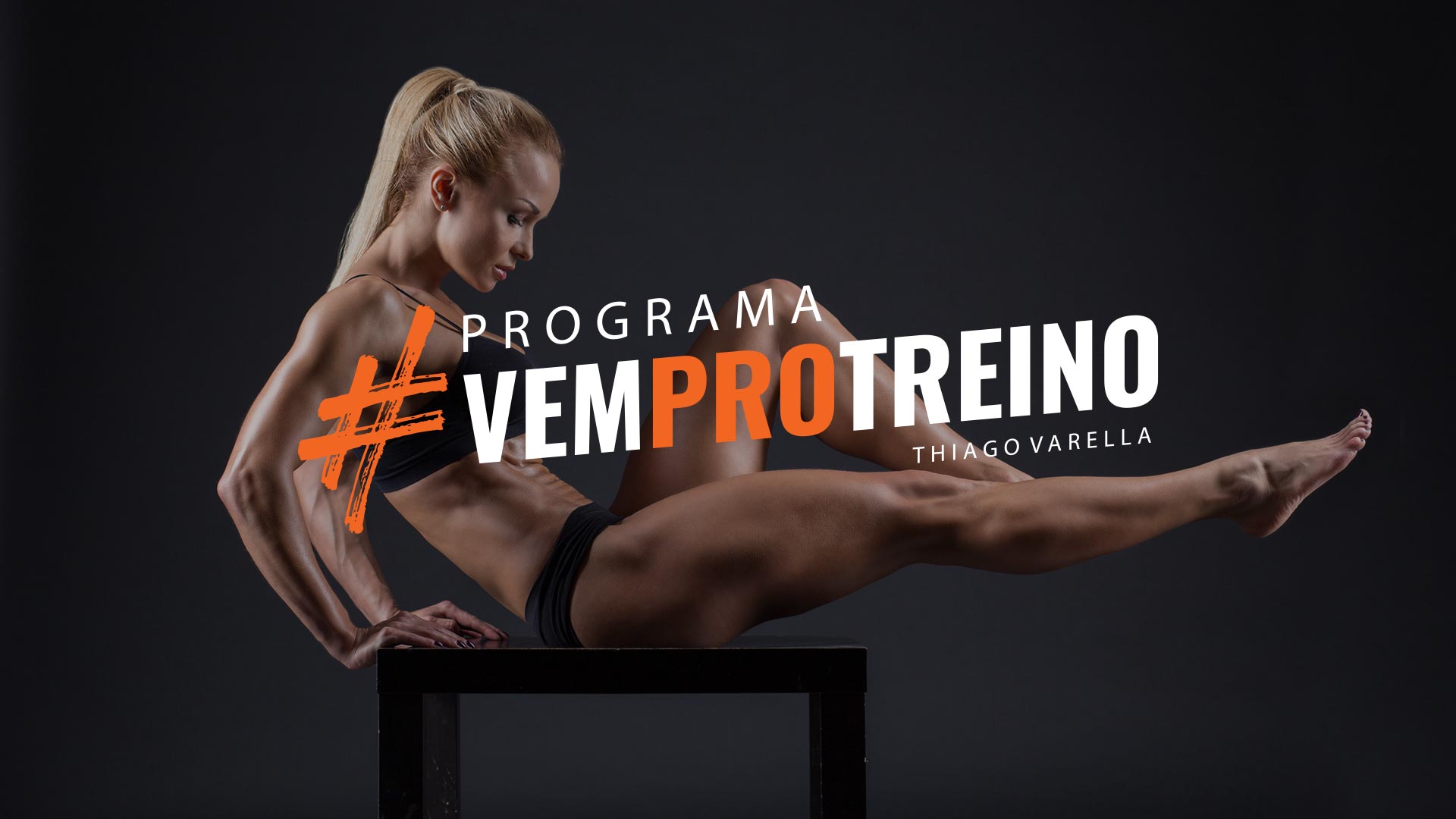
Your diet needs to be rich in protein, carbohydrates, fiber, vitamins, and minerals to gradually build your muscles.
You need to make some sacrifices—sweets and ultra-processed foods should be out of your daily routine—but it’s important to find a diet that’s easy to follow. Let sweets and fried foods be the exception, never the rule, okay?
Combine this with strength training!
Although most people think aerobic exercise is ideal for losing belly fat, you shouldn’t skip strength training.
Muscle burns more calories than fat to maintain itself; therefore, if you increase your muscle mass, you’ll burn calories even when you’re not exercising, which will help your abdominal muscles recover!