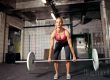
The Physical Fitness Test (FAT) is one of the required stages of public safety recruitment exams. Each exam includes a list of physical activities candidates must complete to pass this stage, such as running, jumping, swimming, push-ups, pull-ups, and so on.
Many candidates pass the knowledge exam only to fail the physical test afterward.
And one of the main mistakes is waiting until the day before the physical test to prepare.
In this article, we’ll talk about how to prepare for the test and pass this stage on your first try!
How is the FAT conducted?
The FAT assesses your physical ability to perform certain exercises within a predetermined time and/or range.
For example, a 12-minute run, pull-ups, swimming, sit-ups, etc. All are timed or have a minimum number of repetitions. That’s why you need a few months to prepare physically and mentally!
 The Physical Fitness Test is designed to assess an individual’s ability to perform the typical duties of the position they will hold.
First tip: don’t stop training!
Don’t stop doing physical activity; stay active even while studying for knowledge exams. We know time is limited while you’re studying, but with some organization, you can do it! It’s easier to train someone who already has a foundation than someone who is completely sedentary.
Always train to do “a little more”!
No… that doesn’t mean training for hours and hours!
 Overdoing your training volume can lead to physical problems, and an injury threatening your shot at your dream job doesn’t sound great, does it?
Know the FAT requirements inside and out
As soon as the recruitment notice is published, it lists the exercises that will be included in the FAT.
Women and men should pay attention to the number of repetitions and the distance they will need to cover per minute in the running and swimming events.
The numbers are usually lower for women. That’s where the advice to “train to do more” comes in. For example, if you have to run 2,400 meters in 12 minutes, prepare to run 2,400 meters in 11 minutes.
Why?
 Often, natural nerves kick in during the physical fitness test. That’s why you should always train to do a little more than you need to. Not excessively, but give yourself a “safety margin.”
Have a training plan
If the test requires you to run 2 km, you don’t need to train for a 10 km race! Avoid unnecessary strain. In general, try to improve your time rather than increase the distance.
Pay attention to your nutrition
This isn’t about aesthetics; it’s about your future career! I don’t think there’s any greater motivation than that!
And during a FAT, if you’re significantly overweight… you’ll have a very… very hard time meeting the targets set by your examiner.
A good example is the famous (and dreaded) pull-ups. With a high body weight, it’s much harder to perform the exercise correctly.
Here’s an obvious piece of advice, but many people make the mistake of not eating properly before this type of test. Avoid heavy, greasy foods so your performance doesn’t suffer.
 Be persistent
You’ve never managed to do even one full pull-up, and the physical fitness test requires three?
Start from scratch!
For this specific exercise, you need to strengthen your back muscles (especially the trapezius and latissimus dorsi), deltoids, and biceps.
So before attempting this movement, work on strengthening the muscles involved. I also recommend progressing with the Gravitron machine. The same goes for movements such as push-ups (chest and triceps) or sit-ups.
Now it’s you versus you!
Even if an Usain Bolt shows up next to you on test day, there’s nothing to fear… If you perform well enough to pass, you’ll get the same job as anyone who thinks they’re an “Olympic champion.”
 In most public service recruitment exams, the physical fitness test is pass/fail, not scored!
Simulate test-day conditions—try to train at the same time the FAT will take place, wearing the shoes and clothes you’ll use that day.
Be prepared and avoid surprises on the FAT
Have you checked all the equipment you’ll need for the test? New shoes, for example, can cause blisters and discomfort.
As with a sports training cycle, the week before the test should have a lower training volume so you can go into the FAT with your energy stores topped up.
I even recommend stopping all physical activity 3 to 4 days before the test to avoid untimely injuries. Also, don’t stay up late the night before the FAT, because the last thing you want is to feel sleepy on the day of the test that could change your life.
And finally: anxiety is normal! But keep in mind that you only made it to the FAT after passing the knowledge test!
 So get ready for another win! I hope this helped, and good luck to everyone taking the recruitment exam! #LETSGETTRAINING