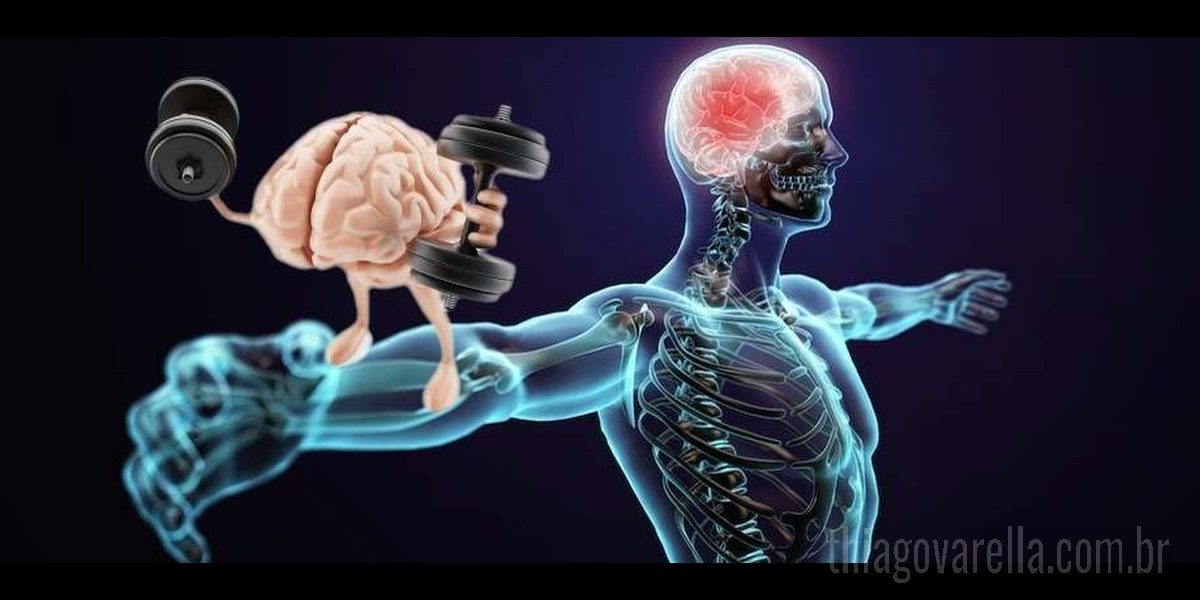
Many people have had times when they had to go long periods without training due to work commitments or travel, or because of injuries and illnesses.
When we achieve hypertrophy at the gym, our muscle fibers experience an increase in a type of cell known as myonuclei.
The main function of these cells is to help us get stronger and increase the size of our muscle fibers.
I have two pieces of news… one bad and one good… let’s start with the bad news: The bad news is that this “time off” causes the muscles to naturally atrophy…
Such atrophy can be even faster in cases of immobilization due to some type of trauma…
Now for the good news: Don’t worry! All is not lost! Have you ever heard of muscle memory?
What is muscle memory?
Muscle tissue is made up of countless cells, composed of nuclei called myocytes. The nuclei within these cells control muscle mass gain.
That’s why, when we do exercises that demand more from our muscles, new nuclei are created, thus promoting muscle growth.

When someone who lifts weights stops training for a while, whether due to an injury, vacation, etc., muscle mass decreases, but the number of myocytes (the cells that make up muscles) remains the same.
This is called cellular memory, and it is why we gain muscle mass more quickly when we return to training.
These nuclei in muscle cells seem to act like “memory cells.” They “remember” how much muscle mass you had before you stopped training.
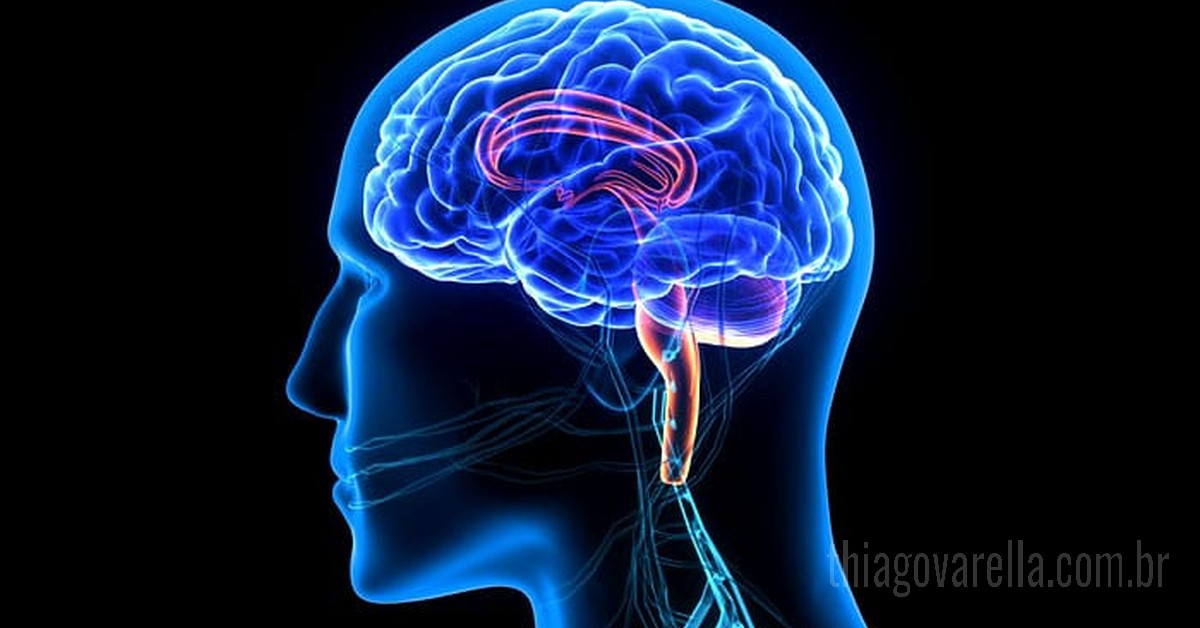 The longer you have trained in your life, the longer it will take to lose the fitness you have achieved.
Muscle volume returns more quickly in trained people, but it’s good to remember that the load should be increased gradually to avoid the risk of injury!
How does it help with the hypertrophy process?
The phenomenon of muscle memory is discussed most often in relation to muscle atrophy—or when you stop training for long periods of time, potentially resulting in muscle loss.
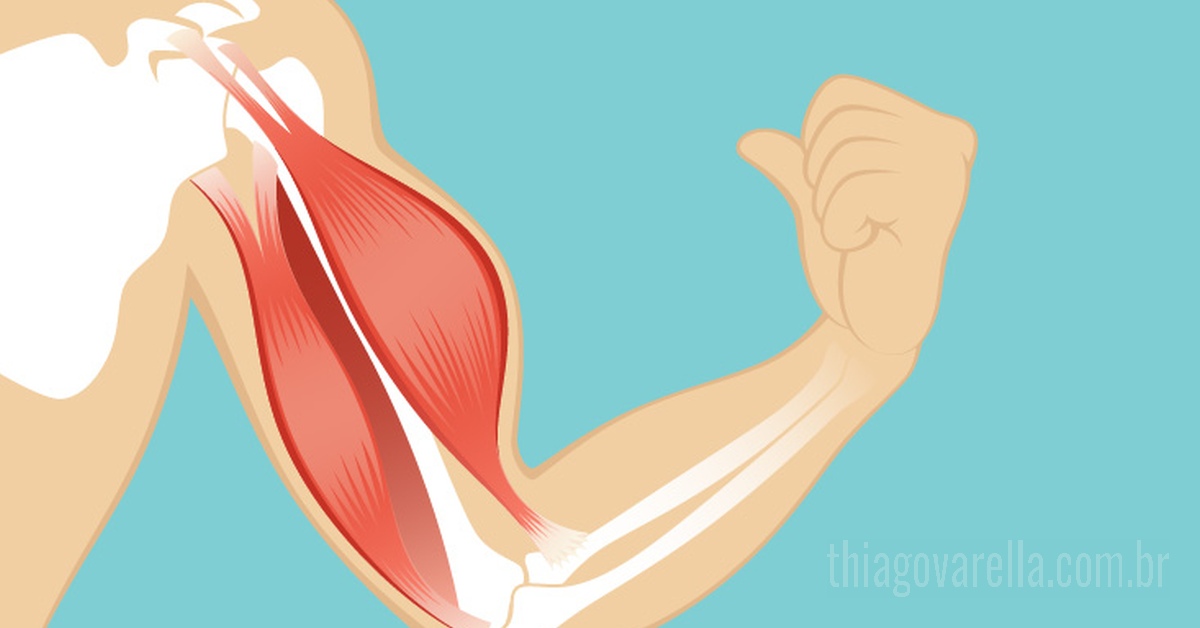
Scientists still don’t know the exact process behind muscle hypertrophy, but it’s known that exercise promotes an increase in muscle volume through the growth of existing fibers, rather than the formation of new cells.
It may seem complicated, but to understand muscle memory, you only need to know that the fibers that make up muscle consist of several small structures that allow them to grow larger than other cells.
In an extremely simplified way, it’s like comparing a house built by one bricklayer with a house built by five people.
Tips for activating your muscle memory
1. Start training intensely again
The first step to regaining muscle and strength may seem obvious, but it is: get back to training! Start weight training again.
 However, if you have been inactive for a long time, don’t resume training with heavy loads because your body needs to readjust to training.
A good idea is to use a load of about 60% of your 1RM (one-rep max). If it feels more difficult at first, don’t worry.
Remember that, thanks to muscle memory, you will respond more quickly to these stimuli and be able to quickly restore muscle size and strength.
2. Go into a calorie surplus
To build muscle and improve strength, you need to pay close attention to what you eat. To recover well and activate muscle memory, you need to be in a calorie surplus.
Eating in a surplus / following a bulking diet means that you are consuming more calories than your body burns, which means you will provide enough fuel for your muscles to recover and grow normally.
 3. Pay attention to your recovery
When we decide to start training again, we’re all excited and motivated by the decision.
I don’t know how long you’ve been without exercising, but after a few weeks or months of inactivity, you’ll feel the positive effects of returning to training the next day.
However, you’ll also feel a lot of “pain”—the famous “delayed-onset muscle soreness.”
Once your body readjusts, the mild soreness will subside. Until then, however, you’ll find that you need more recovery time.
 It’s a good idea to do stretching exercises after working out. This will improve blood flow and help minimize soreness.
Conclusion
Except in the case of injuries or illnesses, I personally don’t think there’s any reason to completely stop physical activity, even during vacations.
In fact, with more free time during vacation, you could devote even more time to it! Always train, and do so mindfully! Your health will thank you!
Did you enjoy this content? Know someone else who might enjoy it too? Well, you can help them get better results by sharing it! That’s all for today, and see you next time! #COMEMTO TRAIN