
If you’re training and feel that you’re not developing a particular lower-body muscle, the problem may be your workout split!
A very common question is how to create a good lower-body split, because there are some myths that need to be dispelled in order to put together a workout split that delivers better results.
Based on my experience coaching clients and hearing their feedback, I believe this poor split is the main reason many people don’t reach their goals.
This is the most common question I get:
“Is it okay to train quads one day, hamstrings, glutes, and calves the next, and then train quads again the following day?”
 First, it’s important to understand that all multi-joint movements, such as squats, lunges, and leg presses, work both the back and front of the thigh (quadriceps), as well as the glutes!
Simply put: whenever you use a compound exercise to train your “legs,” you’re training your butt… and vice versa. There are variations we can use to emphasize one area or another, but it’s not possible to completely isolate the muscles mentioned during these multi-joint exercises!
And training your LOWER BODY on consecutive days will NOT provide any benefit! Quite the opposite…
Compound exercises for the lower body
The best way to work all these lower-body muscles intelligently and effectively in your workout is to do compound, or multi-joint, exercises that work more than one joint.
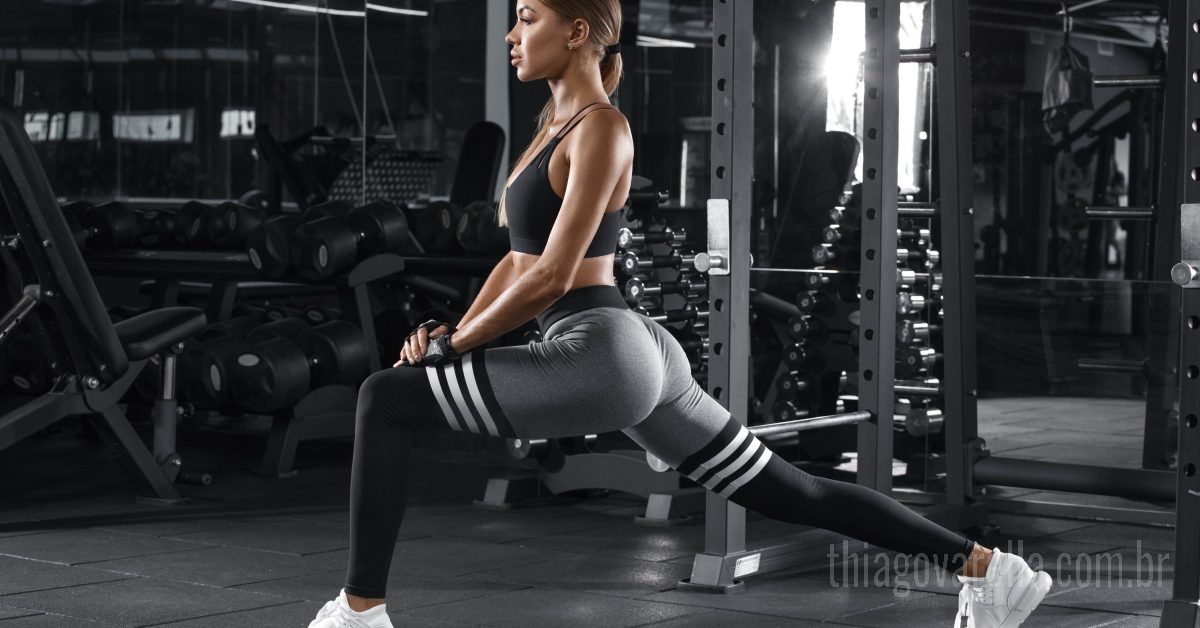 Because they work multiple joints at the same time, compound exercises deliver better results and can be considered the foundation of a good workout split.
And here I present my fantastic four lower-body exercises!
Barbell back squat
The barbell back squat is one of the most functional exercises out there! It’s for everyone, from bodybuilders to older adults! Many people can’t squat with a bar on their back, or have a more limited range of motion… But it’s possible to squat safely as long as you seek guidance!
Stand under the middle of the bar, resting it on your upper back across your traps, taking care not to place it on your neck. Use a grip that’s not too wide, about a hand’s width beyond shoulder width on each side. Lift the bar off the rack and step away to begin the exercise. You can squat with your legs wide apart, together, or somewhere in between.
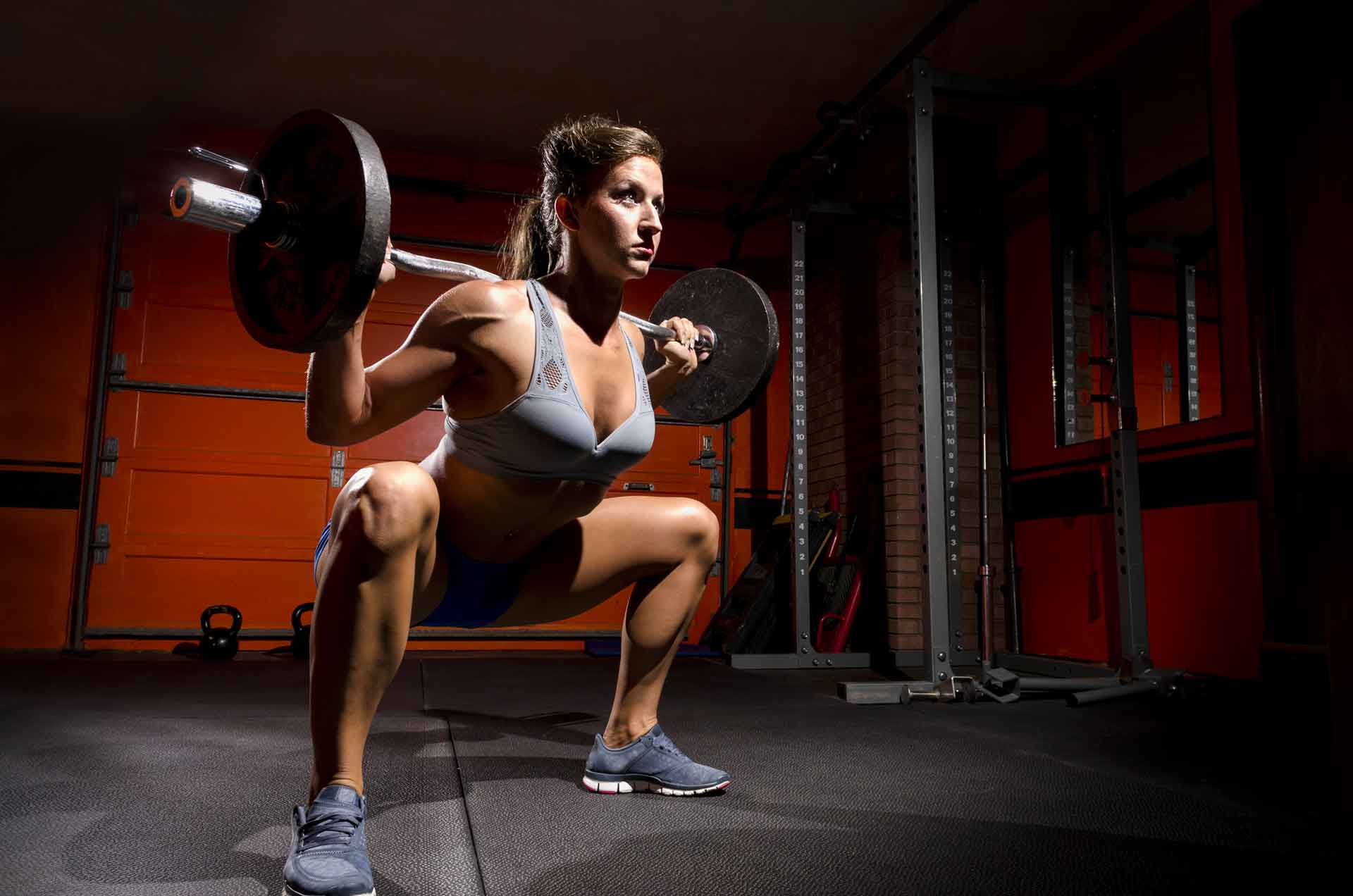
That doesn’t matter; you need to squat WITHOUT ARCHING YOUR LOWER BACK AND WHILE LOOKING STRAIGHT AHEAD! As you stand up, don’t extend your legs all the way; keep your knees slightly bent to prevent injury.
Smith machine split squat
In this variation, raising the back leg shifts the center of gravity involuntarily toward the front leg, and consequently increases the load on it (in addition to any weight you’re carrying).
The range of motion should always be as large as possible, provided you maintain the alignment of the line of force (the imaginary line between your legs when viewed from the side), as well as the line of pelvic balance.
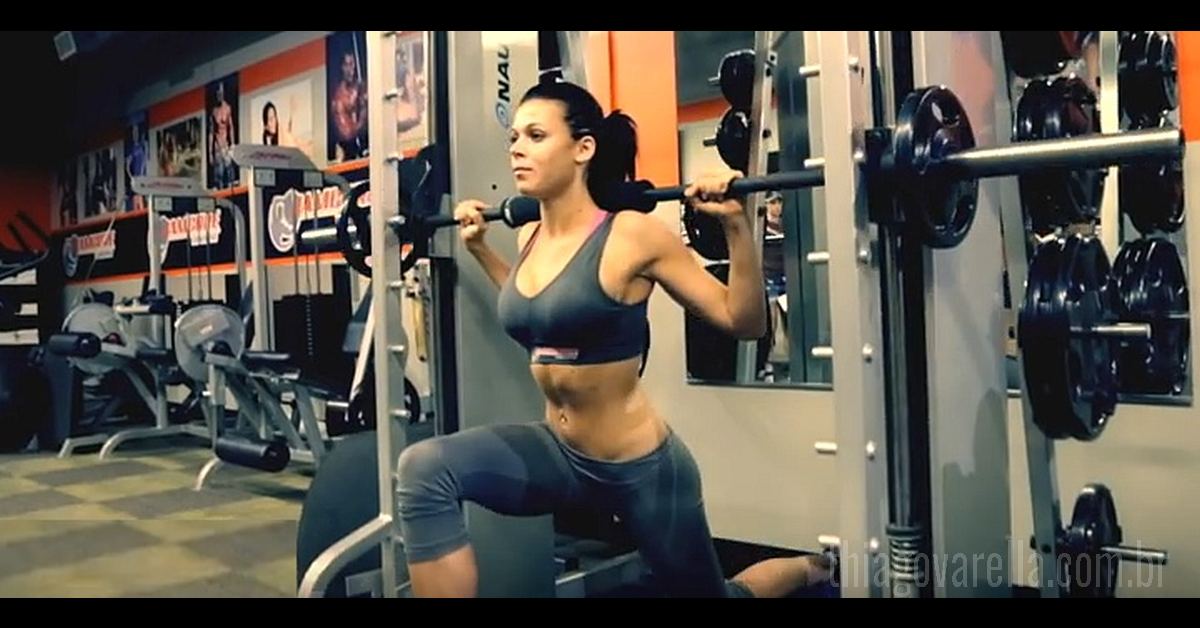 Whatever the variation of the single-leg squat, they all have one thing in common: almost all the load should be on the front leg, while the back leg is used only to maintain balance during the movement.
The distance between the supporting leg and the balancing leg should be about one long step, so that your hips remain properly aligned facing forward.
Leg press
Gyms commonly have two types of leg press machines: horizontal and 45-degree. To use them correctly, sit on the seat with your back fully against the backrest and your feet firmly planted on the platform. Never lift your heels!
– But what about foot placement on the leg press platform? Does it emphasize “this” or “that” muscle more?
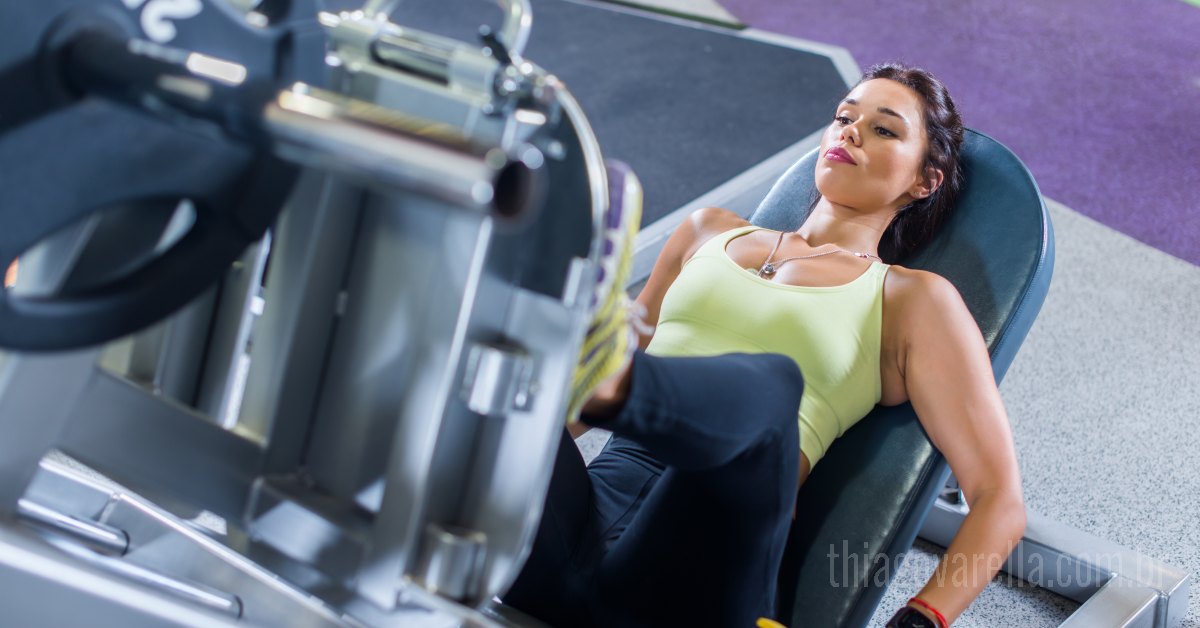 The effect is MINIMAL, almost negligible!
Always aim for the greatest possible range of motion to stimulate muscle growth!
注意:
- NEVER “cheat” by putting your hands on your knees to complete the movement… CONTROL YOUR EGO! Use a weight you can handle…
- As a precaution, use the machine’s safety lock!
Stiff-leg deadlift
The stiff-leg deadlift requires a high level of body awareness to avoid injuring yourself. The movement should involve pushing your hips back; this puts the hamstrings at a mechanical disadvantage, making them work harder.
Muscles involved in the stiff-leg deadlift: biceps femoris, hamstrings, and gluteus maximus. It also engages the spinal erectors to stabilize the spine.
There is some debate about how to perform the movement: should you bend your knees or not? At the gym, some people perform it with their legs straight, while others bend their knees on the way down. Which is right? Which is wrong? The fact is that muscle contractions from a stretched position are more effective at causing tissue damage, so… Keeping your legs straight will cause more muscle damage (and greater muscle growth!).
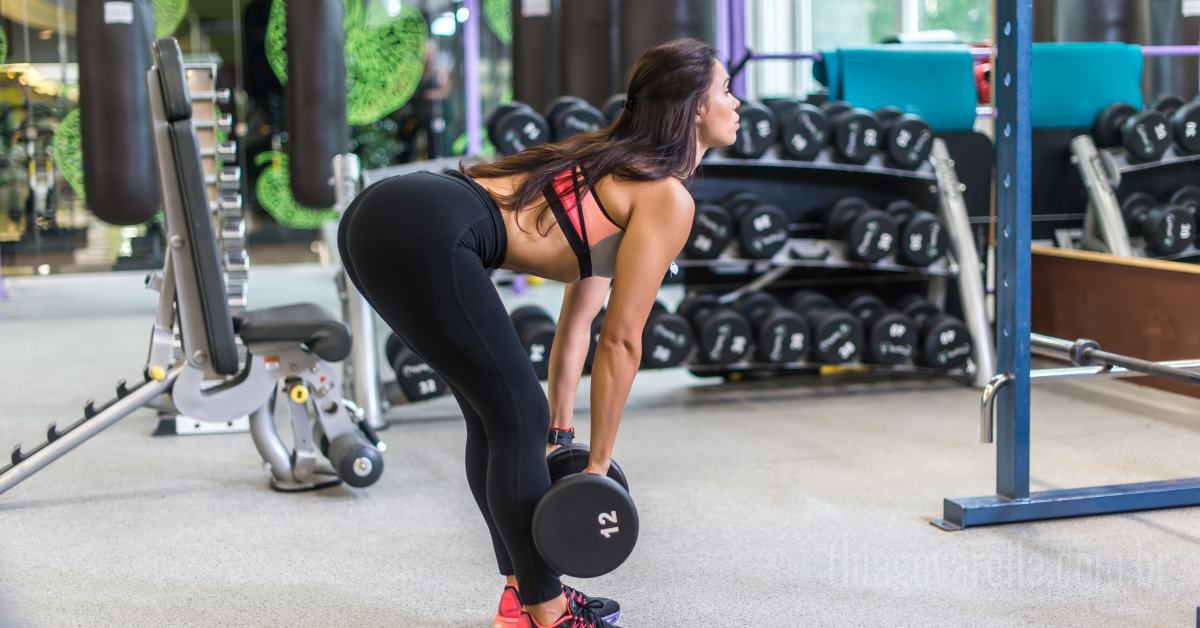 One key detail: your range of motion depends on your hamstring flexibility, and limited flexibility will obviously reduce it. You should respect this limitation; with time and stretching, you’ll gradually be able to achieve a full range of motion.
So, to be clear: keeping your legs straight makes this a more “difficult” exercise and, consequently, better for your goals. Of course… To repeat: this isn’t an exercise for beginners!
Essential tips for splitting your lower-body workout
Don’t train your lower body on consecutive days
Repeating a lower-body workout on consecutive days will not only hurt your results, but also expose your muscles to a greater risk of injury.
This happens because when you train, your muscle fibers break down, and when you rest, they enter a recovery state. This recovery state is what makes your muscles stronger and bigger.
 When you add two consecutive workouts for the same muscle without resting, the muscle repair process doesn’t happen, and your body shifts from an anabolic state to a catabolic one.
You may also put unnecessary strain on your joints.
Respect your body’s recovery time
The right recovery time for your lower body varies greatly from person to person. Factors include your training experience, workout intensity, hours of sleep, nutrition, and many others.
Conclusion
Creating a good lower-body workout split is essential for reaching your goals. It prevents you from overworking a particular muscle, helps you respect your body’s recovery periods, and allows you to achieve the results you want.
Prioritizing compound, or multi-joint, exercises is the way to go if you want a shorter, more effective workout split.
 Finally, you should get help from a qualified professional to organize your workout and offer the best strategies for reaching your goals.
Did you like these tips on how to split your lower-body workout? Know someone else who might like them too? Well, you could make their day by sharing this with them! #VEMPROTREINO