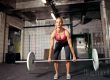
Stiff-Leg Deadlift Variations
Do you do the STIFF-LEGGED DEADLIFT with your legs straight or bent? And what is your goal? Which is right? Which is wrong❓
🔉 The fact is: muscle contractions from a stretched position are more effective at causing tissue damage, so… keeping your legs straight will cause more muscle damage (greater hypertrophy!).
One essential detail
Your range of motion is related to your hamstring flexibility, and will obviously be more limited as a result. However, you should respect this limitation. With time spent training and stretching, you will gradually be able to achieve your maximum range of motion.
Now, an extremely important point: as mentioned, keeping your knees straight places greater demand on the hamstrings, since they are in a position where they are not affected by active insufficiency.
📌 When you bend your knees slightly, the hamstrings become a little less effective in the movement, placing much more demand on the glutes.
Which variation is best for you? It depends on your training program! For example, if you have already done a series of exercises focused on the glutes, you can use the stiff-legged deadlift with more emphasis on the hamstrings. The reverse is also true. The important thing is to know this and have a training plan that takes these differences between stiff-legged deadlift variations into account.
How to Progress with the Stiff-Legged Deadlift
The stiff-legged deadlift is a viable training exercise for increasing muscle hypertrophy and strength, and for improving hamstring range of motion in almost all athletes.
Because this exercise isolates the muscles, most athletes and coaches should perform this movement with moderate loads to maximize hypertrophy before moving on to more advanced strength and/or speed techniques.
Whatever load you use, keep in mind that how you perform the exercise and its range of motion have a significant impact on your training results.