Training with or without shoes?
Training with or without shoes?
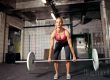
👟No nonsense, let’s get straight to the point lol: the main tip would be to avoid trendy shoes with excessive cushioning for your lower-body workouts involving squats, lunges, deadlifts, and similar exercises…!
“Ah, Thiago… but are these modern, expensive shoes bad for working out?” No… they’re great for upper-body workouts, running, going out… but I don’t recommend them for a SERIOUS LOWER-BODY WORKOUT, as they can affect your results and, above all, your training safety.
Running shoes
Running shoes with cushioning have advanced technology designed for specific situations, where much of the impact energy is dissipated as your foot strikes the ground.
To put it simply, they work like shock absorbers. They’re ideal for running, but unnecessary—and I’d say not recommended—for anyone who wants a truly effective lower-body workout!
👟
In this situation, we don’t want to dissipate the energy, but rather concentrate it to create a greater mechanical advantage and produce force safely. Choose a shoe with a FLAT, RIGID sole. For example, I’ll mention Converse Chuck Taylors, since it’s a brand we all know. When we do exercises with added weight, especially those that involve supporting the weight on our lower limbs, we need STABILITY, especially with our heels firmly on the floor.
Is training barefoot a good idea?
Oh, and you might say now… “I’ll train barefoot”… sure, that’s an option for many people. Training barefoot can be a viable alternative in some cases, since your heel will be directly on the floor, and if the surface is stable, you’ll get all the benefits
of wearing suitable shoes, but in this case, for free!
HOWEVER… any careless mistake could cost you dearly… how many of you have seen or dropped a weight plate or bar on the floor… now imagine the damage if it fell on your foot WITHOUT the protection of a SHOE!!
Find out which shoes are best for lower-body workouts
Whatever shoes you wear, there’s no reason to give up physical activity altogether. Keep training, and do it mindfully! Your health will thank you!
In addition to training, your diet needs to be rich in protein, carbohydrates, fiber, vitamins, and minerals to gradually build your muscles.
You’ll need to make some sacrifices—sweets and ultra-processed foods should be left out of your daily routine—but it’s important to find a diet that’s easy to follow. Let sweets and fried foods be the exception, never the rule, okay!